
overview
Nepal: A Mindful Journey
A 15-day immersion through Nepal’s sacred sites, Himalayan landscapes, living culture, wildlife, Buddha’s birthplace and the vibrant celebration of Indra Jatra to deepen presence, awaken inner transformation and nurture personal and planetary well-being.
Duration: 15 Days/14 Nights
Date: 22 September-06 October 2026
Small Join In Group Tour
(minimum 2 pax up to 30 pax)
Trip Code: MYNP001
Launched on International Wellness Day, April 15, 2026 inspired by the land where mindfulness has been lived for centuries.
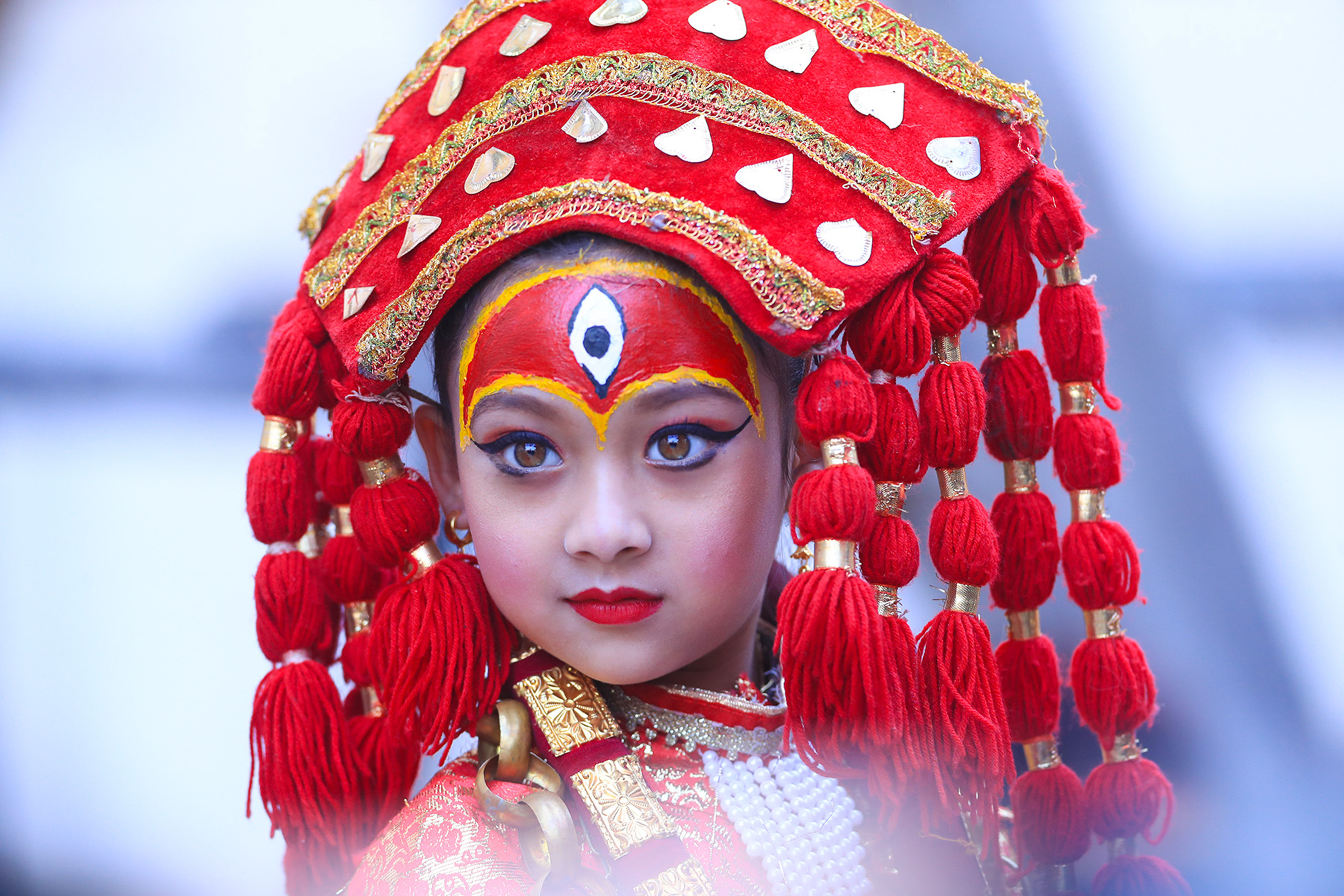
This journey was introduced on International Wellness Day, reflecting a deeper intention to experience Nepal not just as a destination, but as a place of inner and outer transformation.
Step into a journey through Nepal’s sacred valleys, ancient cities, Himalayan beauty and wild natural landscapes. From the timeless courtyards of the Kathmandu Valley to the stillness of Lumbini, the wildlife of Chitwan and the serene expansiveness of Pokhara, each part of this experience is designed to help you slow down, awaken your senses and travel with deeper presence.
This is not a trip to rush through Nepal but a journey to truly feel it and to feel yourself more fully within it. Through mindfulness practices, gentle walks, reflection and immersive cultural experiences, you return home with more than memories. You return with renewed clarity, a fuller heart and a deeper connection to both yourself and the world around you.
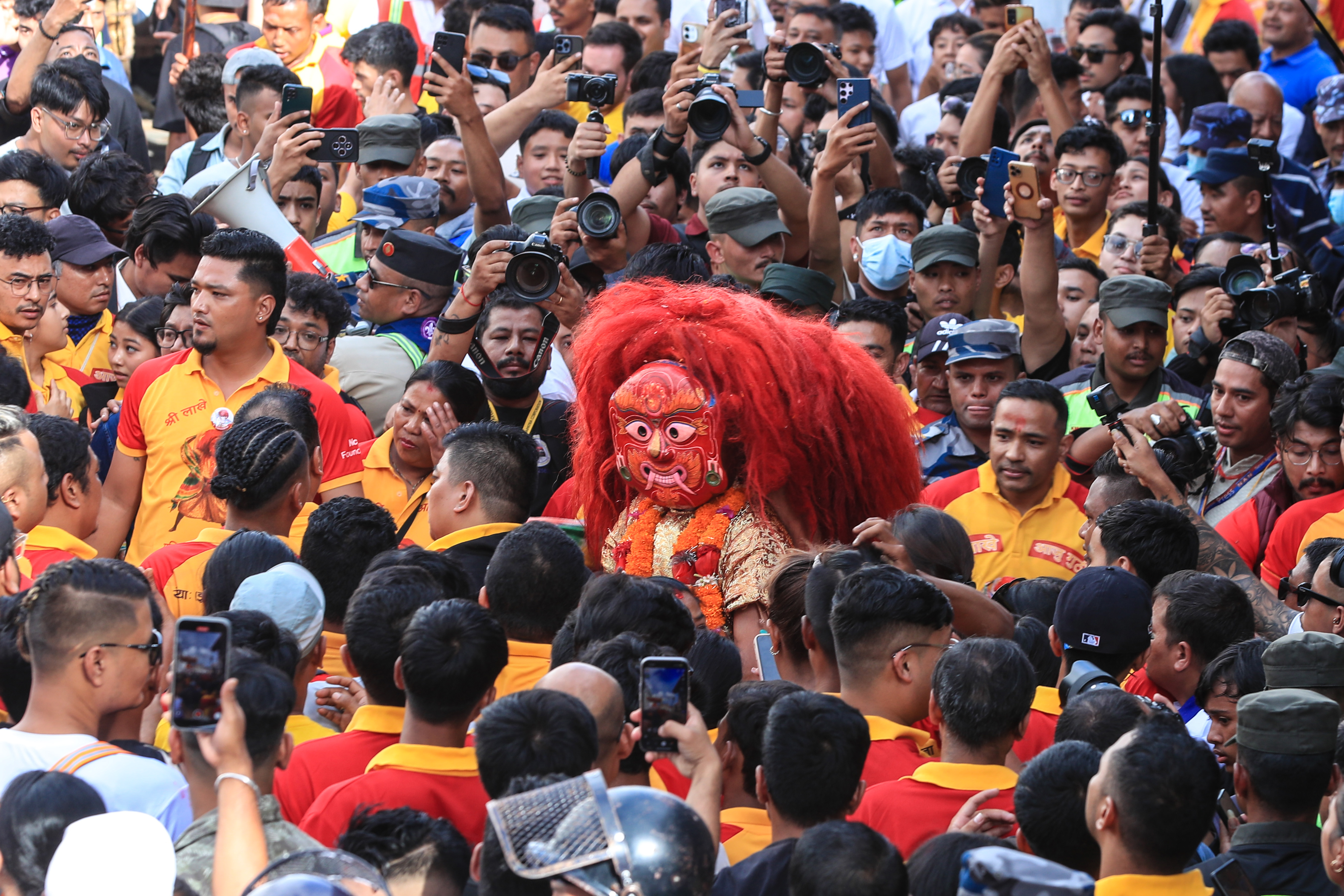
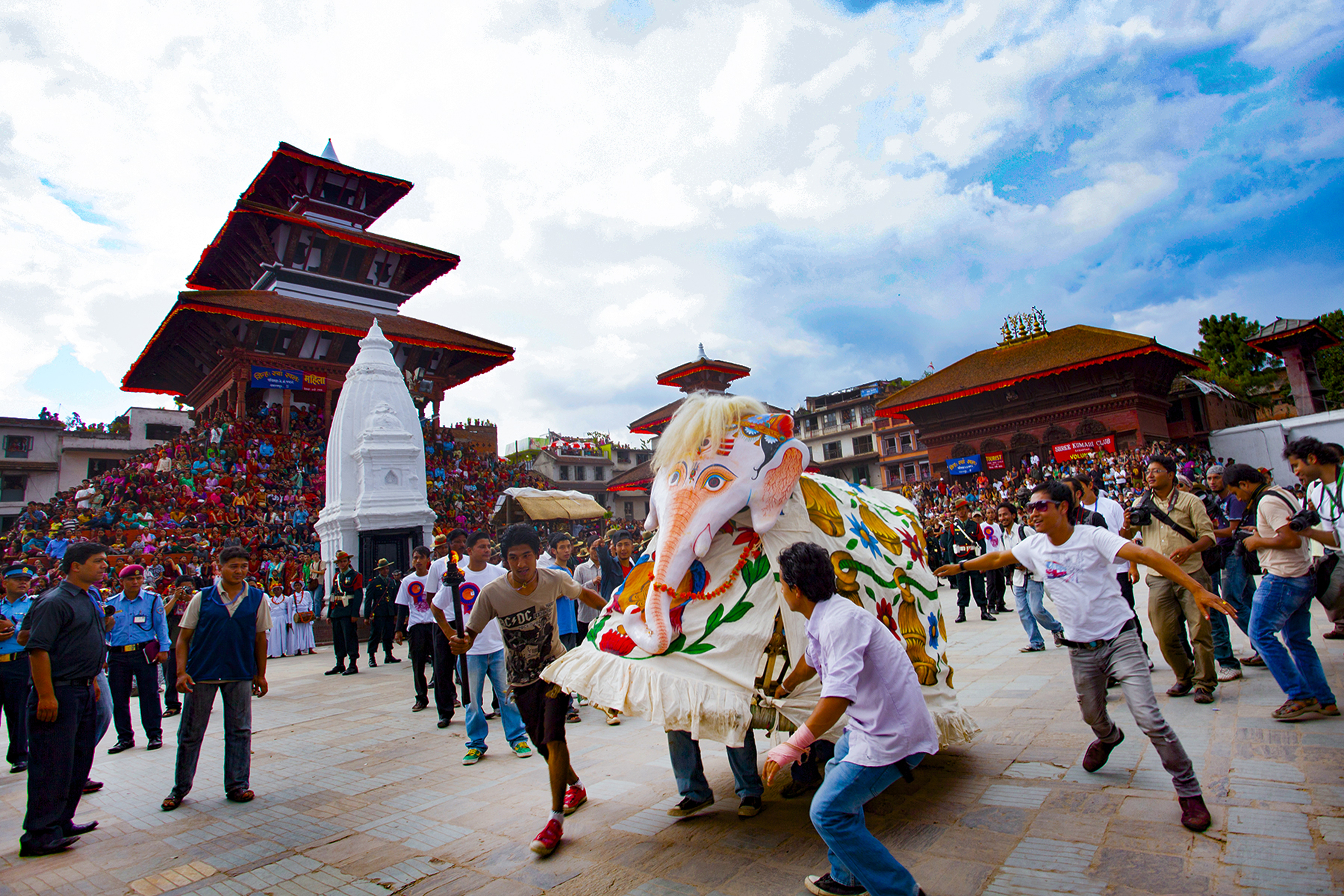
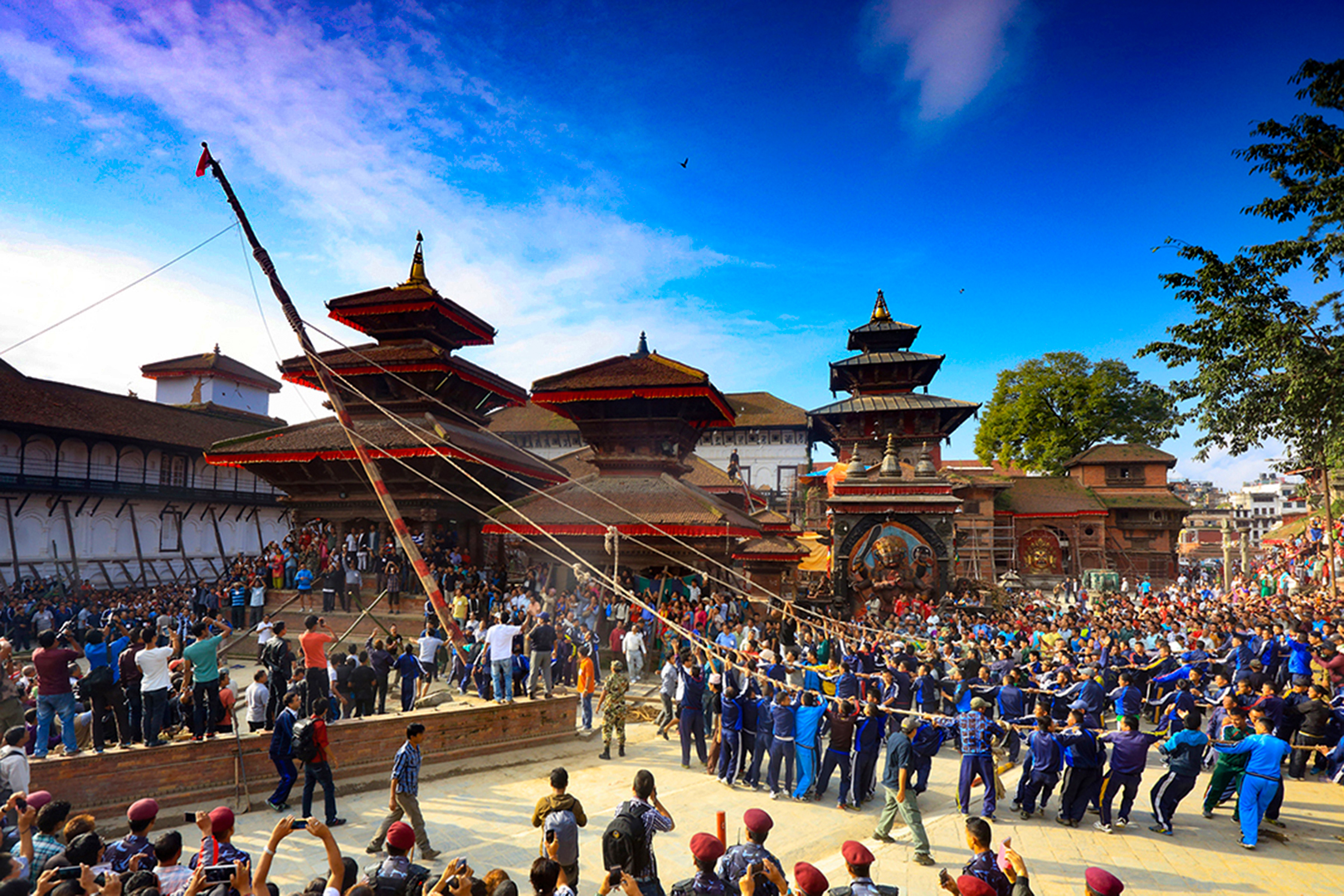
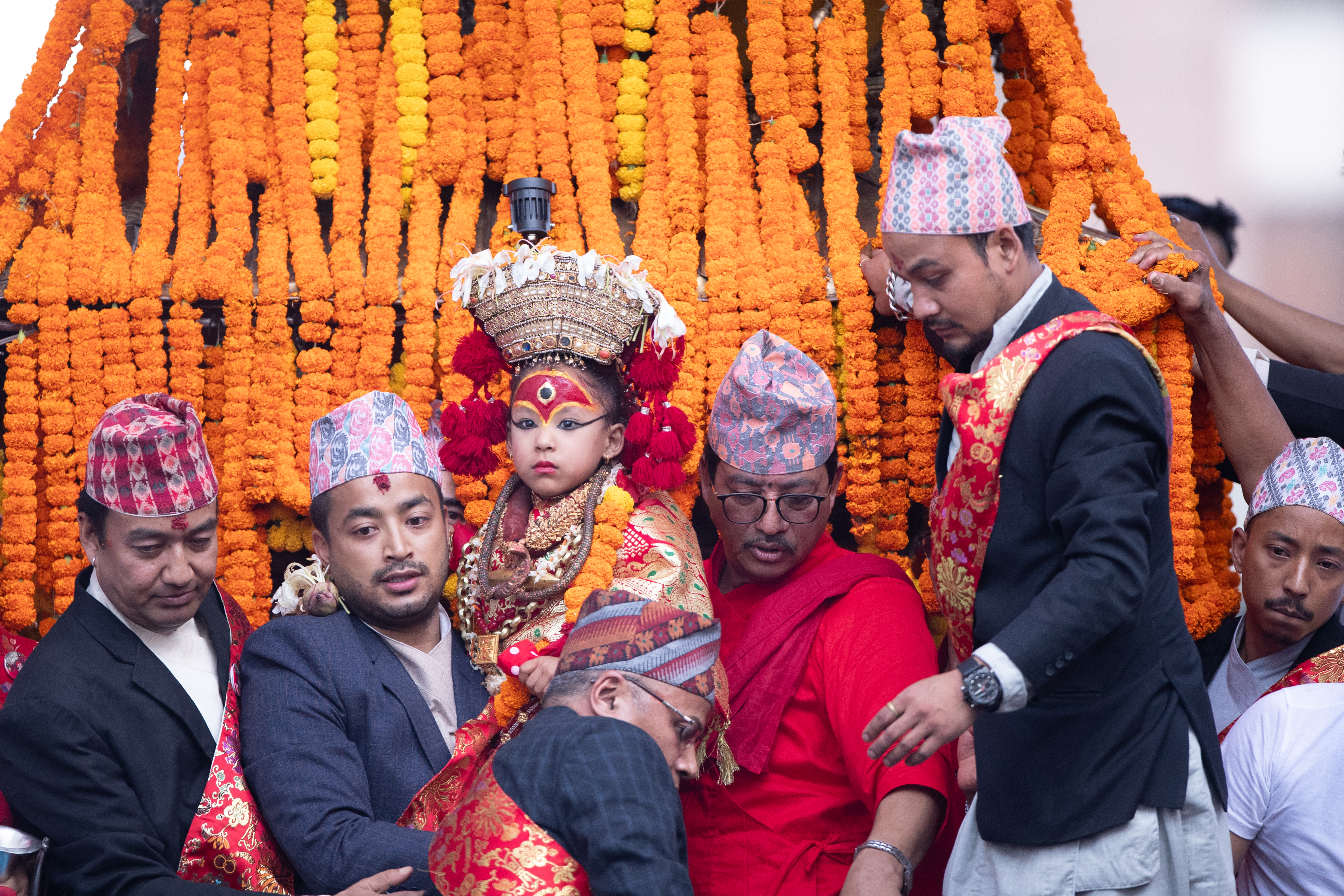
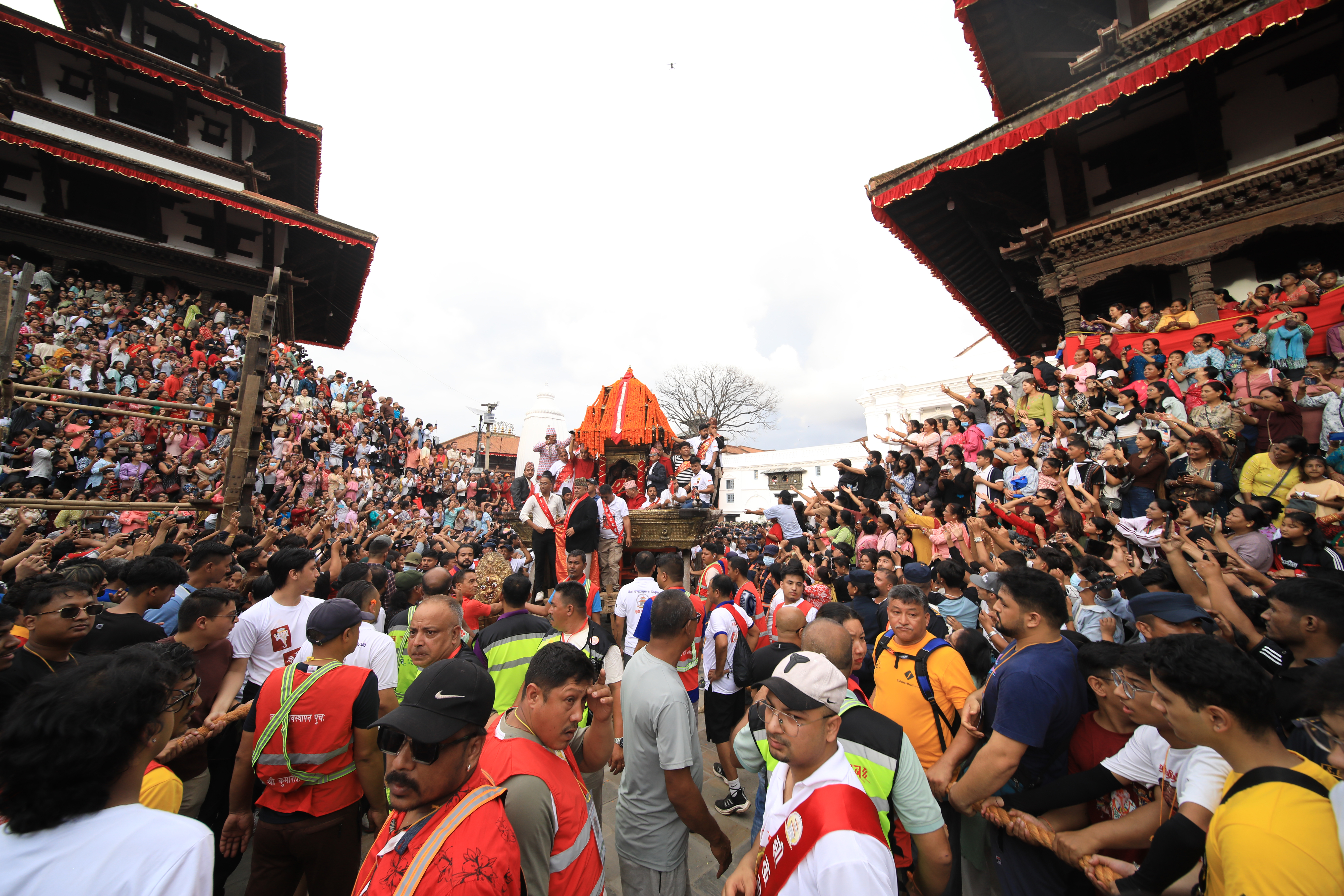
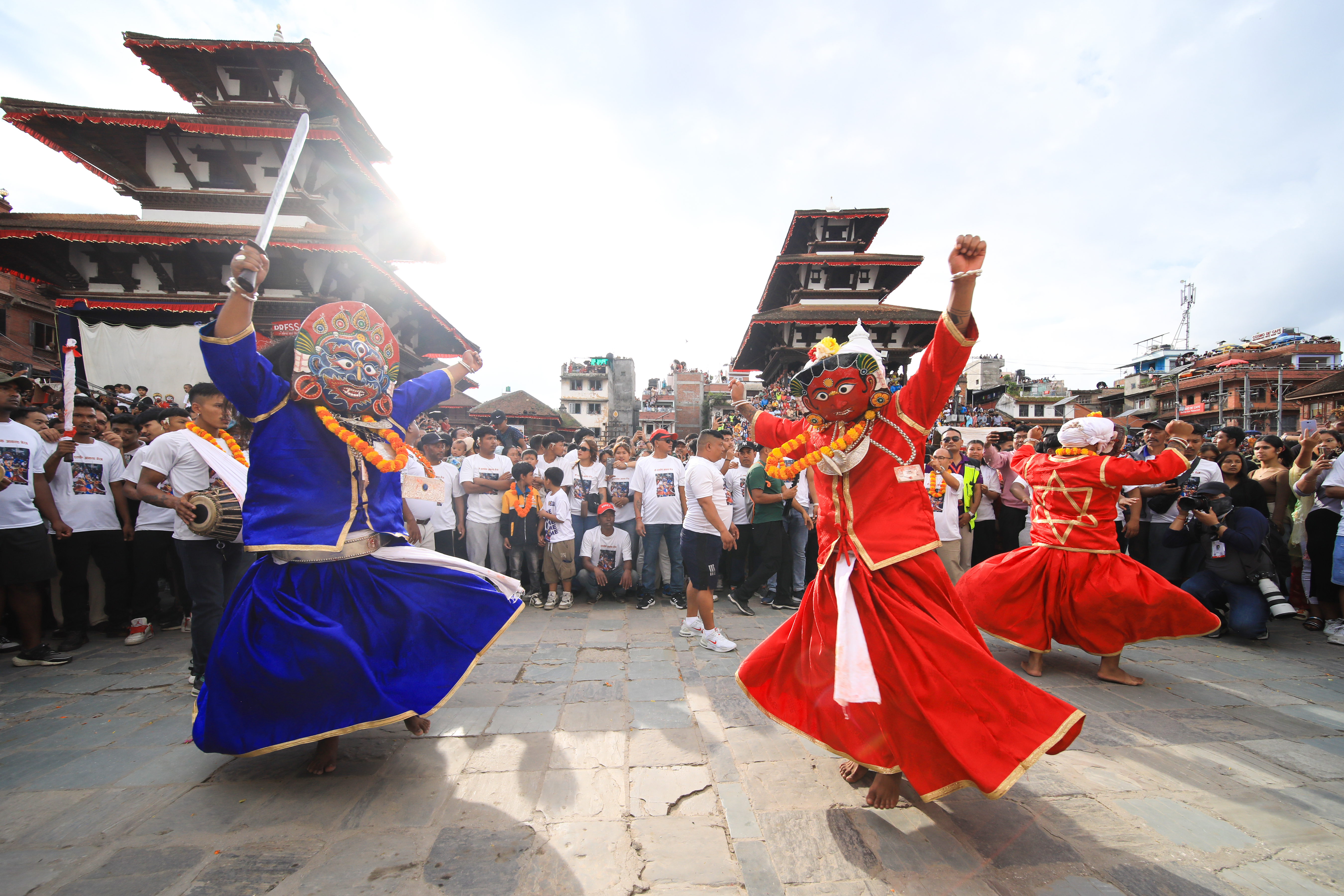
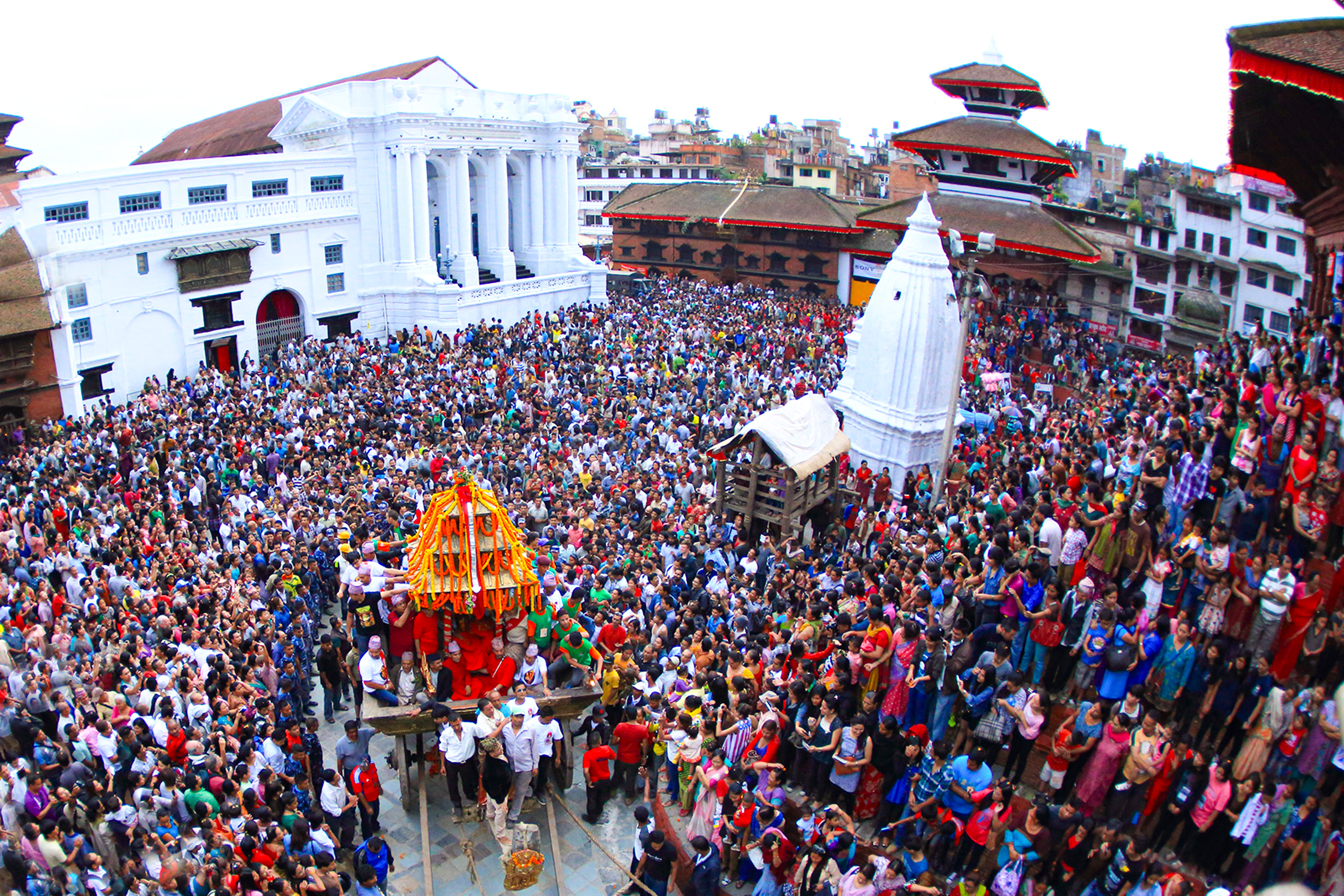
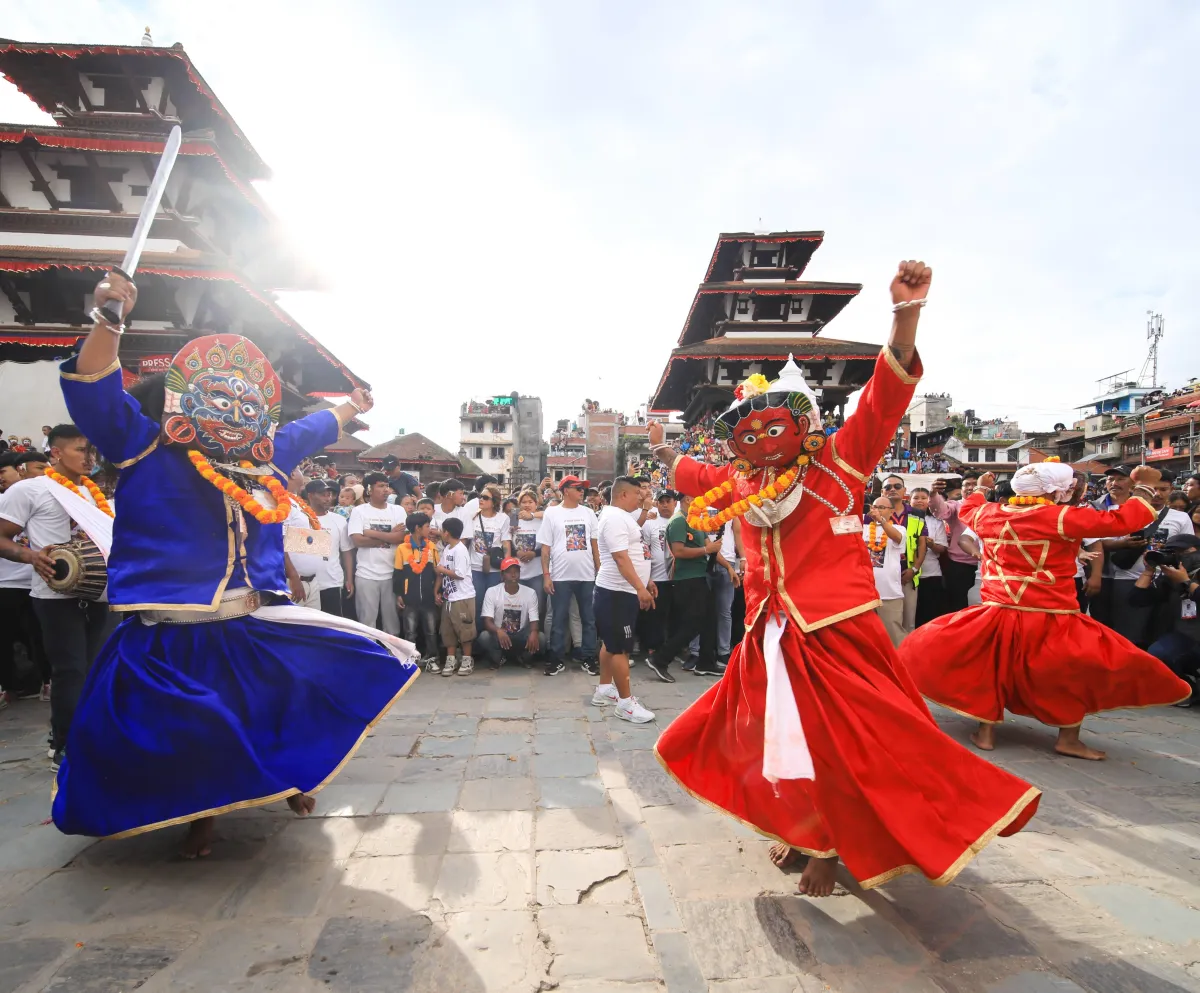
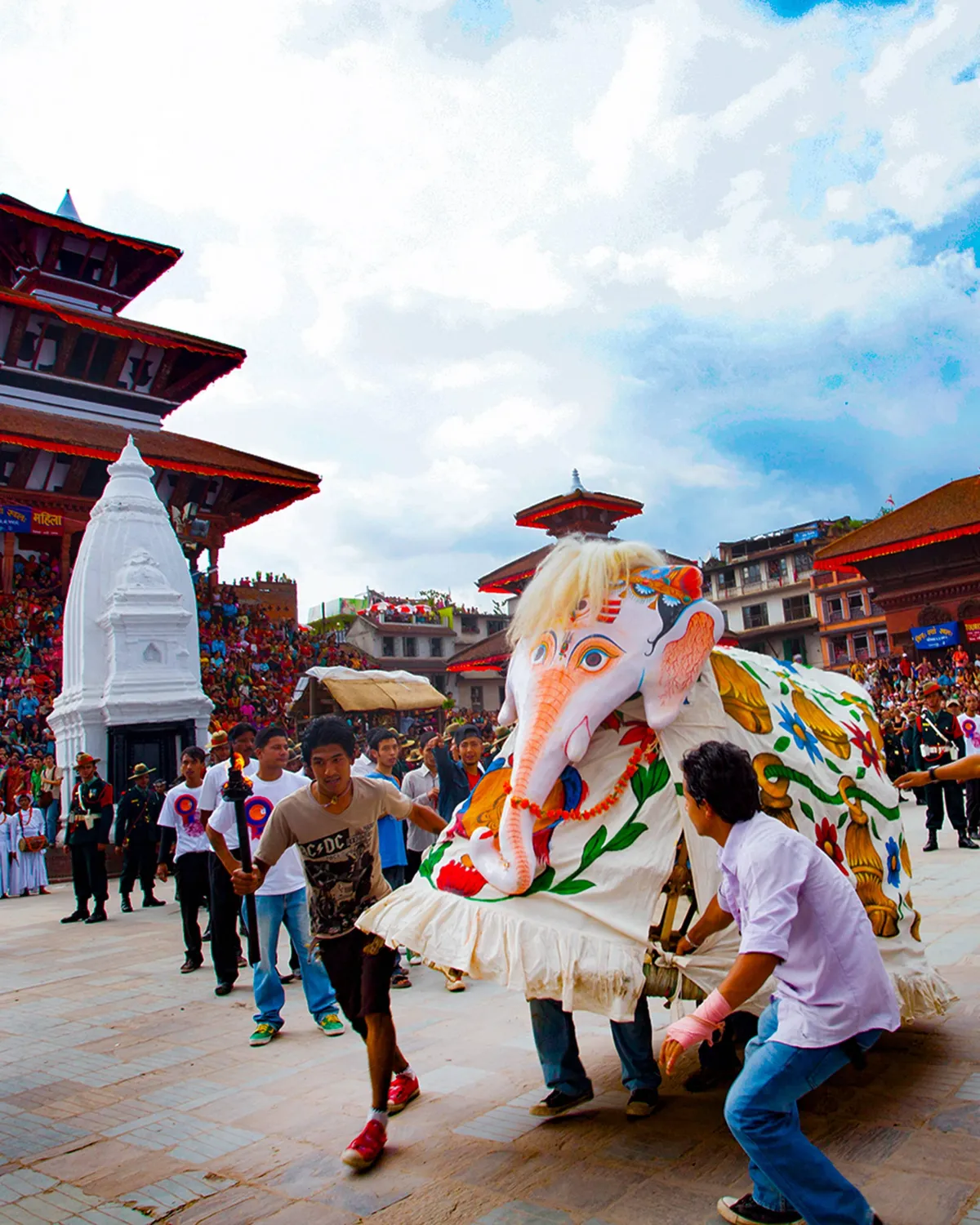
glimpses of the indra jatra festival
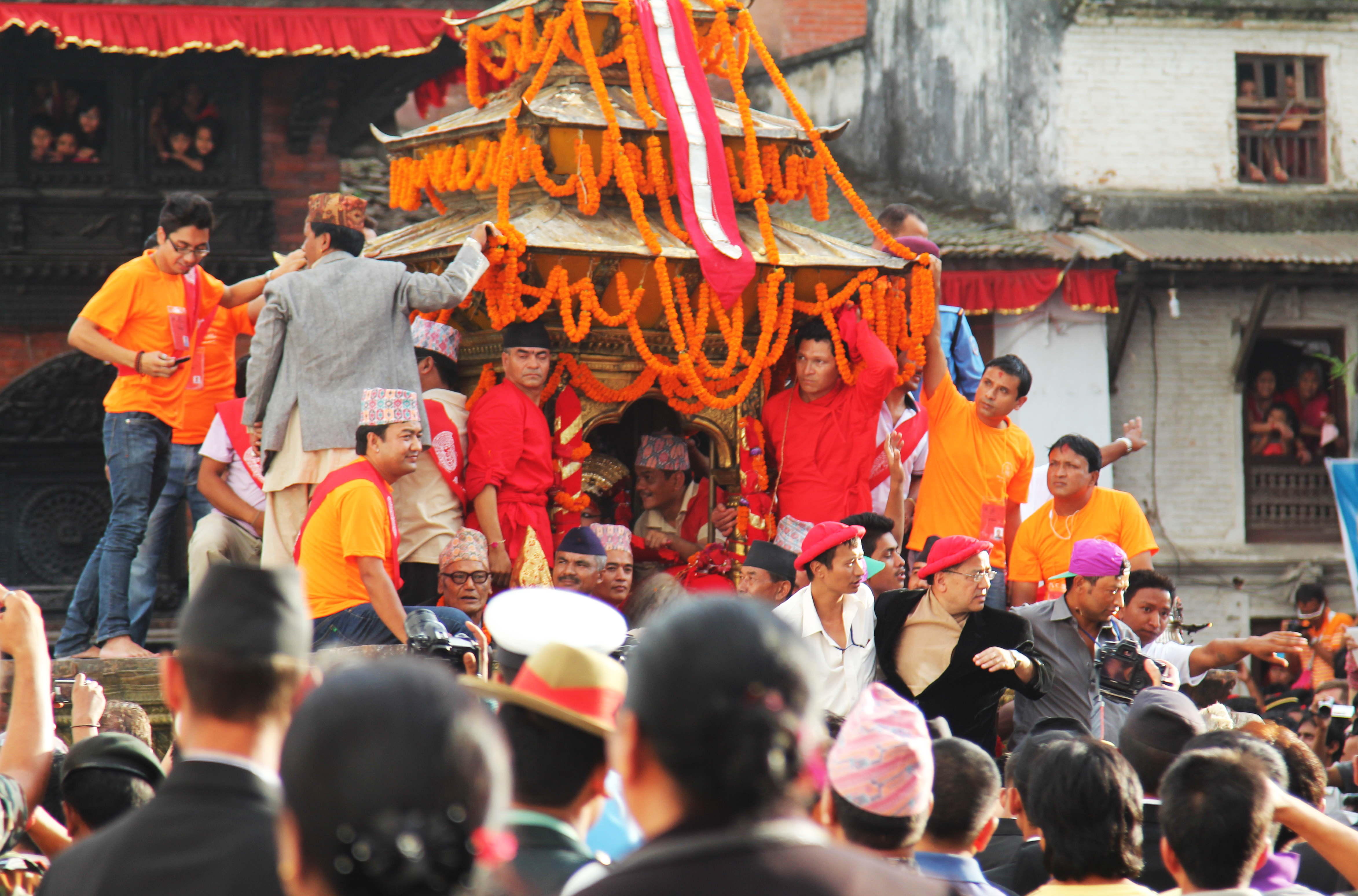
A special highlight of this journey is the Indra Jatra festival, one of Kathmandu’s most vibrant and meaningful festivals, where sacred ritual, music, chariots, devotion and living tradition fill the city with energy and emotion. To witness and participate in this celebration is to feel Nepal, not only through its places, but through its spirit.
signature experiences
These signature experiences are thoughtfully woven through the journey to help you slow down, arrive through the senses, reflect with intention, connect more deeply and travel with greater presence and care.
five senses arrival practice
A guided way of arriving fully in each place through sight, sound, smell, touch and taste (embodied awareness)
THE DAILY REFELCTION
A gentle question each day to deepen intention, awareness and inner connection.
MINDFUL WALKING
A slower, more present way of moving through sacred sites, landscapes and living culture.
EVENING INTEGRATION CIRCLE
A shared space to reflect, listen, connect and let the day’s experiences settle more deeply.
MINDFUL CONNECTION
Thoughtful connections with people, culture and places that invite respect, reciprocity and care.
journey highlights
kathmandu valley
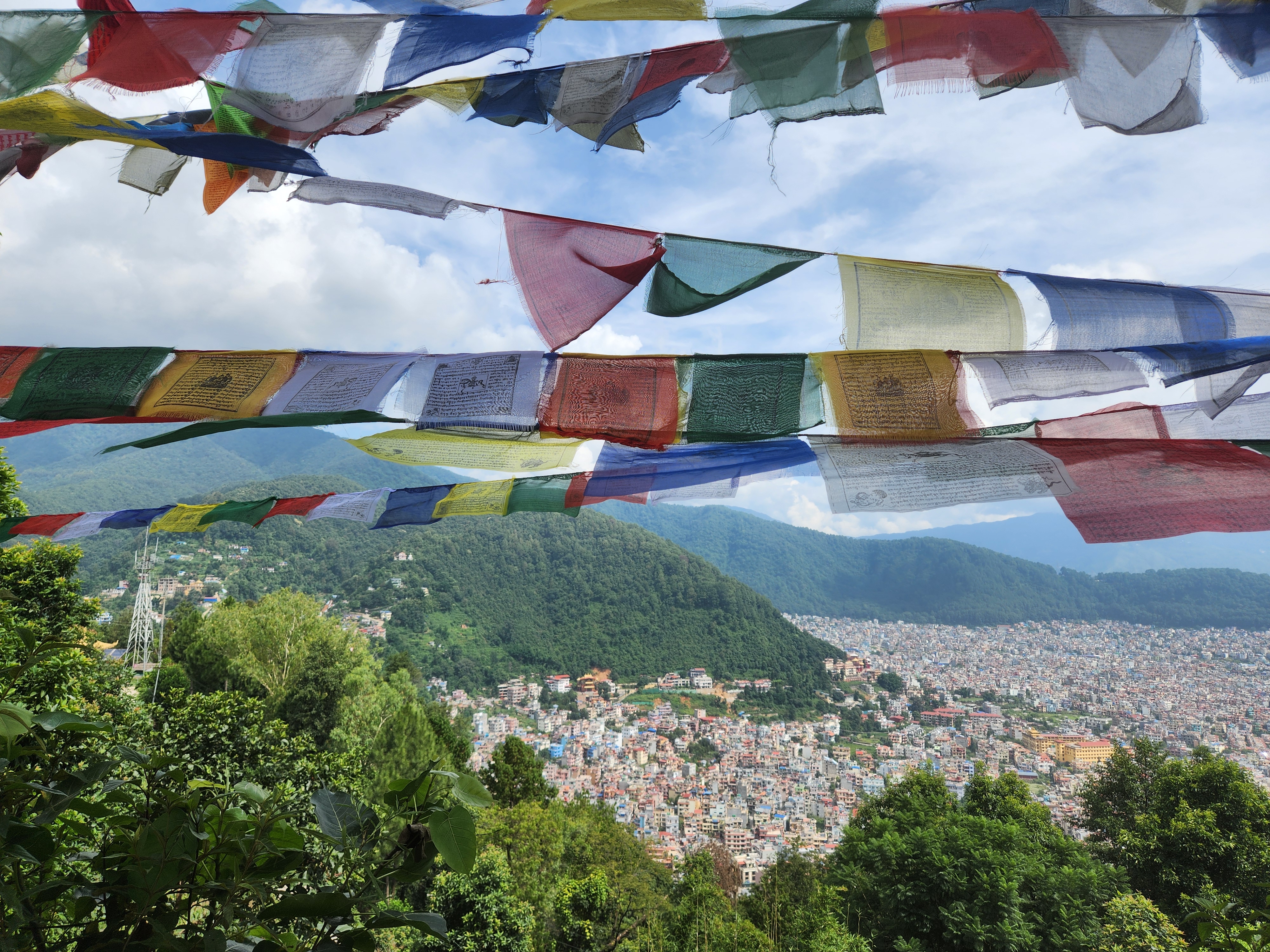
A tranquil panorama of the Kathmandu Valley, where mist, light and layered hills meet in quiet harmony.
Crisp mountain air and far-reaching views create a rare sense of serenity and spaciousness.
At sunrise and dusk, the valley is washed in a soft, sacred glow of remarkable beauty.
Kathmandu Durbar Square
Step into Kathmandu Durbar Square and enter the living heart of Nepal, where temple spires, sacred shrines, carved windows and the old royal palace hold centuries of devotion, ceremony and daily life. You are invited to pause, awaken your senses and feel a deeper connection with Nepal’s spiritual and cultural soul.
kathmandu valley
A tranquil panorama of the Kathmandu Valley, where mist, light, and layered hills meet in quiet harmony.
Crisp mountain air and far-reaching views create a rare sense of serenity and spaciousness.
At sunrise and dusk, the valley is washed in a soft, sacred glow of remarkable beauty.
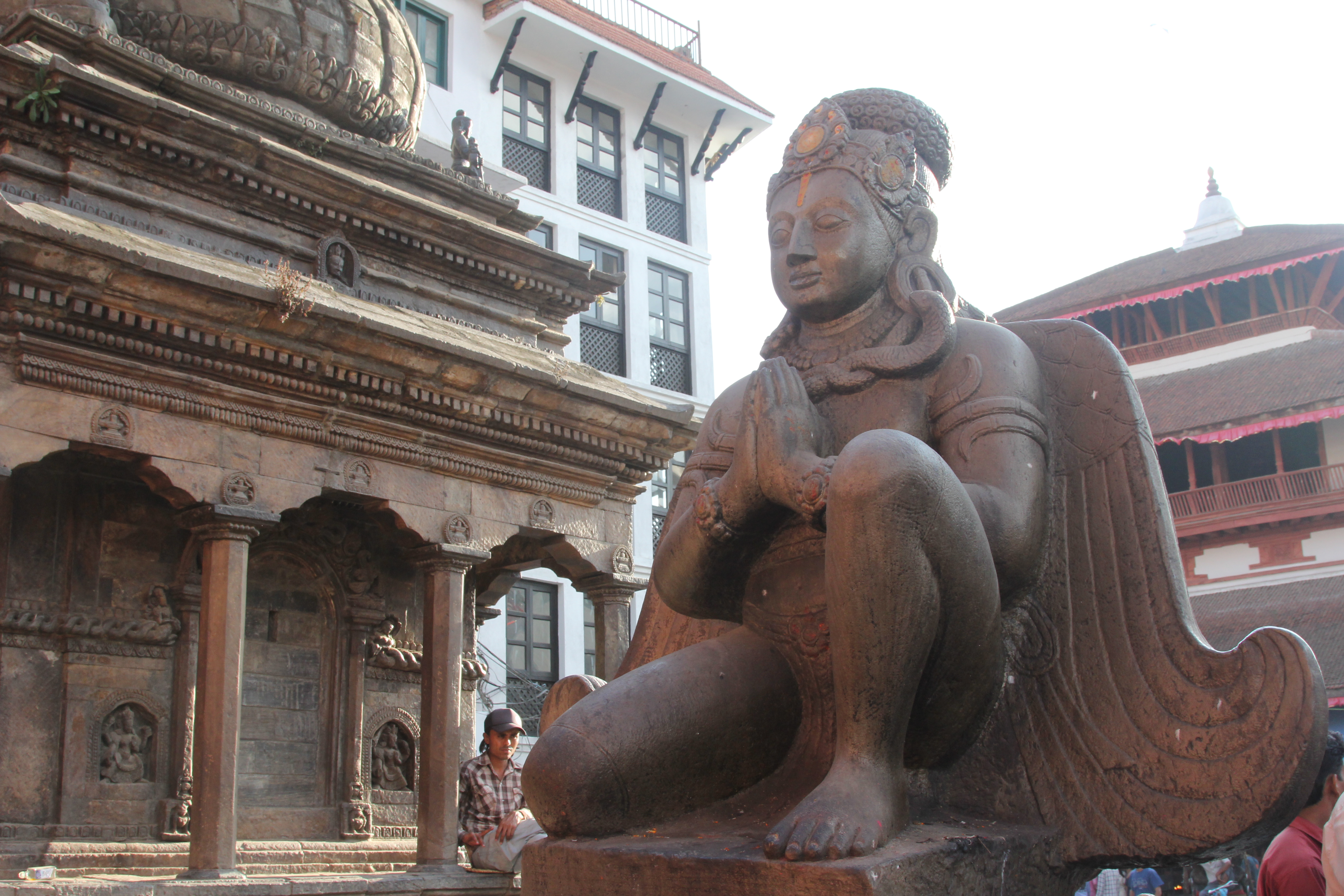
Kathmandu Durbar Square
Step into Kathmandu Durbar Square and enter the living heart of Nepal, where temple spires, sacred shrines, carved windows, and the old royal palace hold centuries of devotion, ceremony, and daily life. Here, you are invited to pause, awaken your senses, and feel a deeper connection with Nepal’s spiritual and cultural soul.
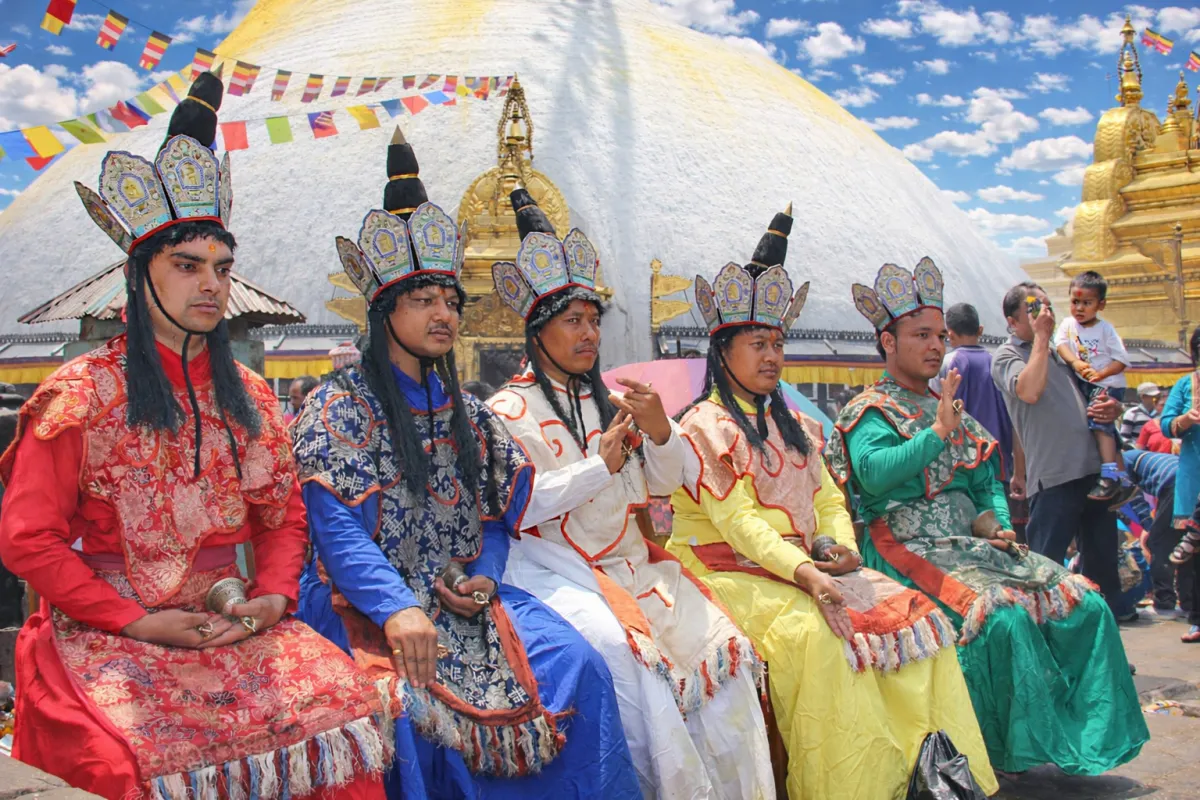
Swoyambhunath Stupa
Rising above Kathmandu like a quiet beacon of faith, Swoyambhunath welcomes you with its luminous white dome, golden spire, fluttering prayer flags, and sweeping views across the valley. As bells, mantras, incense, and the turning of prayer wheels fill the air, the pace begins to soften and your senses gently awaken. Here, amid light, wind, and sacred stillness, something within you begins to open: presence, spaciousness, and a deeper return to yourself.
patan durbar square
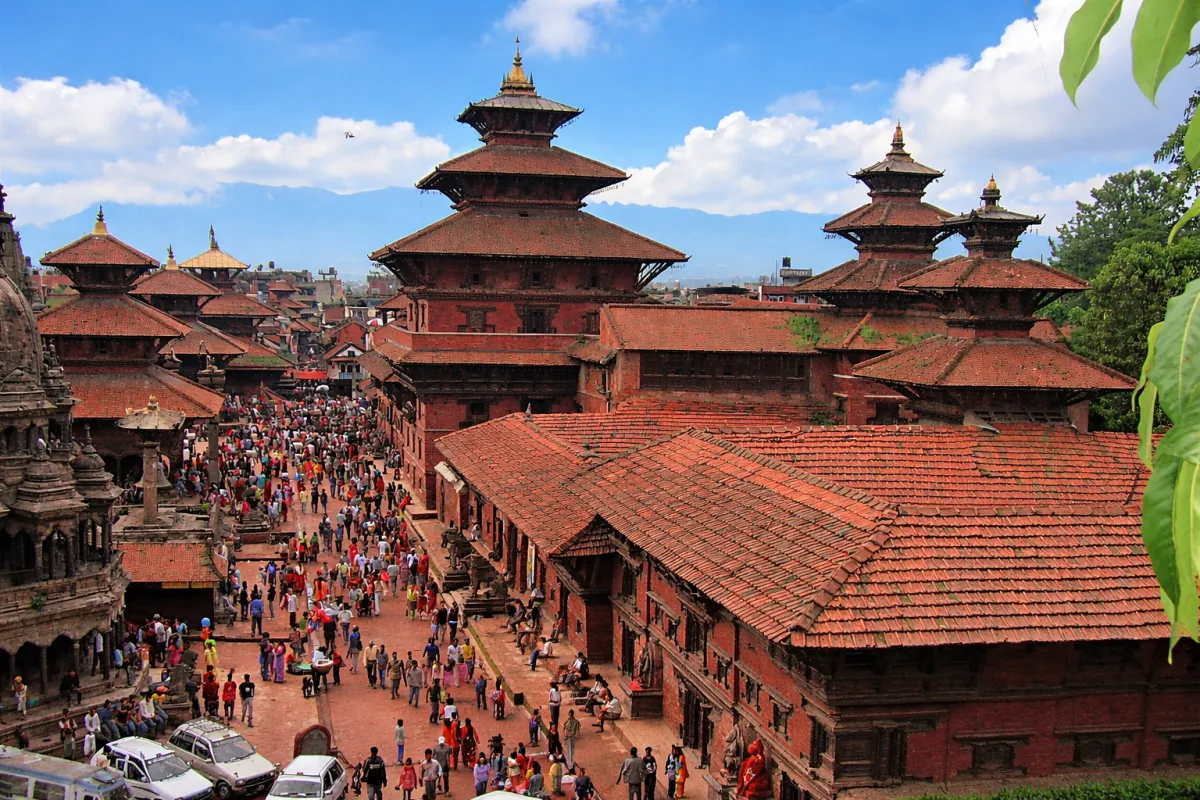
Patan Durbar Square welcomes you into a living world of devotion and craft, where red brick glows in the sun, carved windows cast delicate shadows, and temple spires rise above storied courtyards. As bells drift through the air, stone rests beneath your feet, and the scent of nearby food and incense lingers in the lanes, your senses begin to slow and soften. Here, surrounded by beauty shaped by human hands and centuries of reverence, something opens within you: a deeper appreciation for presence, artistry, and the quiet intimacy of living culture.
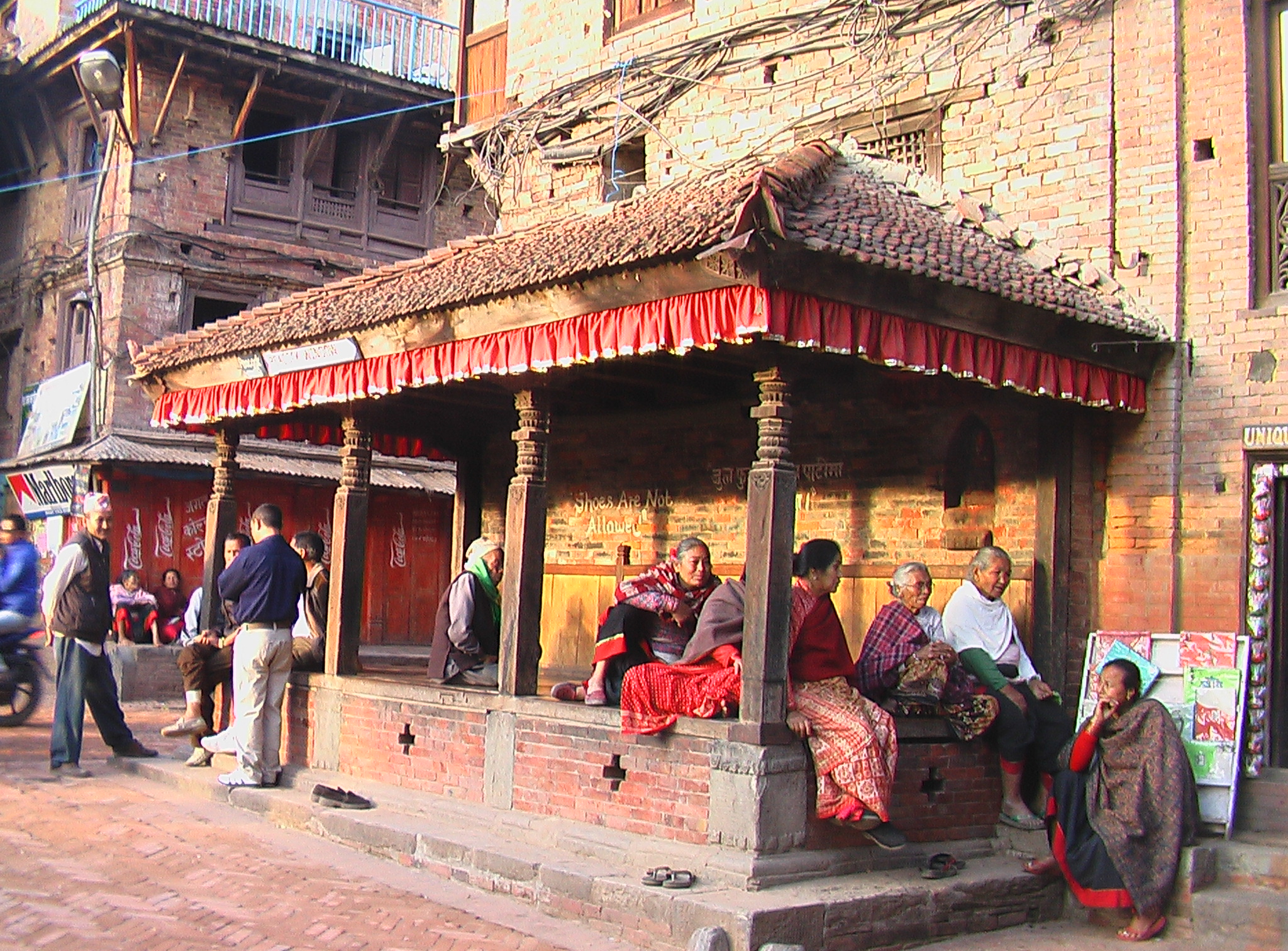
Bhaktapur Durbar Square
Bhaktapur Durbar Square draws you into a slower, more spacious rhythm, where sun-warmed brick, carved timber, temple silhouettes, and open courtyards hold the beauty of a living heritage city. As bells sound softly, pottery turns in nearby lanes, and the sweetness of juju dhau and everyday life drifts through the air, your senses begin to settle into the timeless rhythm of the place. Here, amid artistry, devotion, and human warmth, something opens within you: a gentler pace, a deeper presence, and a quiet remembrance that what is sacred is often found in how we pay attention.
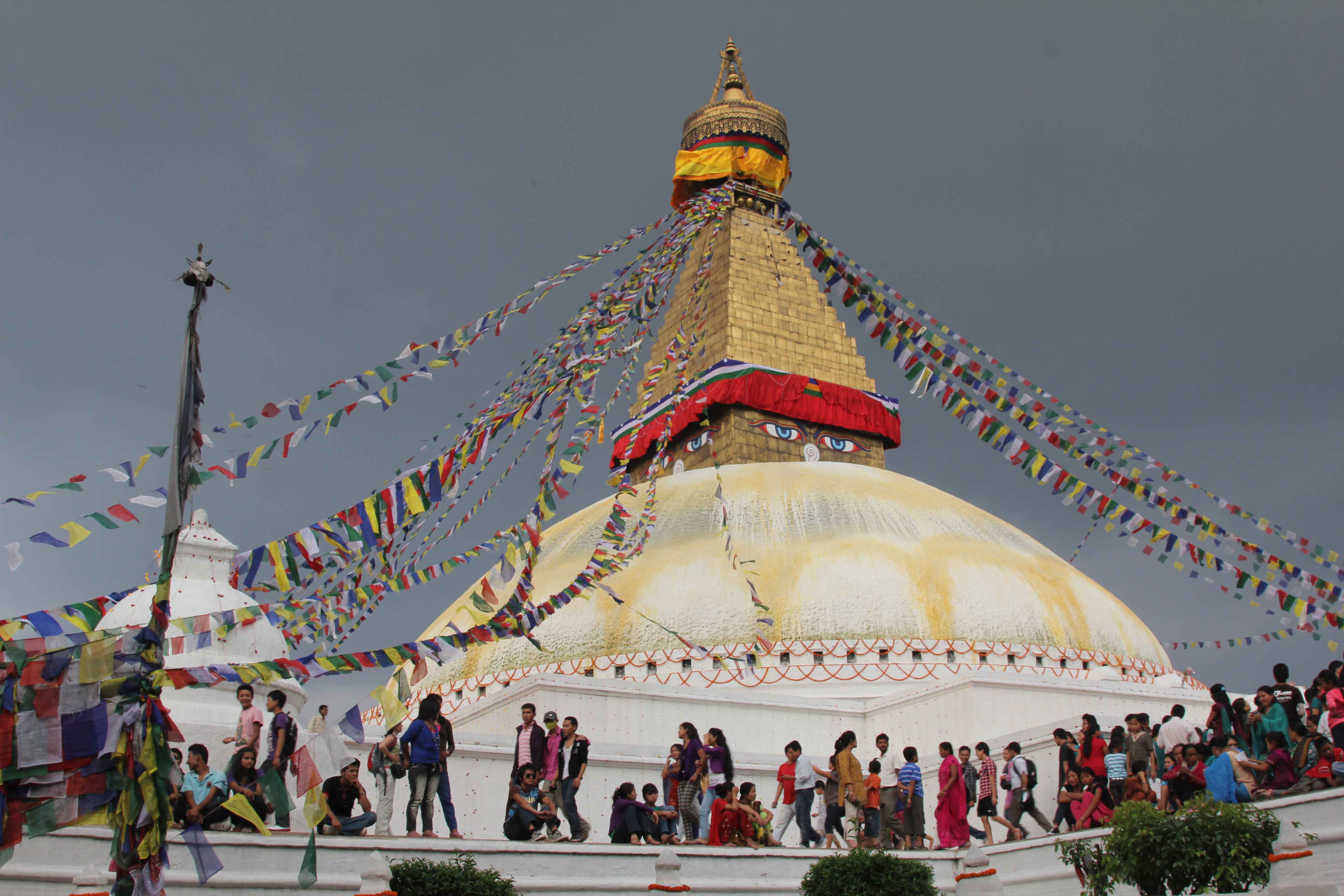
Boudhanth stupa
Boudhanath Stupa rises luminous above the Kathmandu Valley, its white dome, prayer flags, and all-seeing eyes creating an atmosphere of quiet reverence and grace. As you join the slow clockwise kora beside monks, pilgrims, and softly turning prayer wheels, the air fills with incense, juniper smoke, and the gentle rhythm of devotion. Here, as movement slows and breath deepens, something opens within you: compassion, stillness, and a steady return to your inner center.
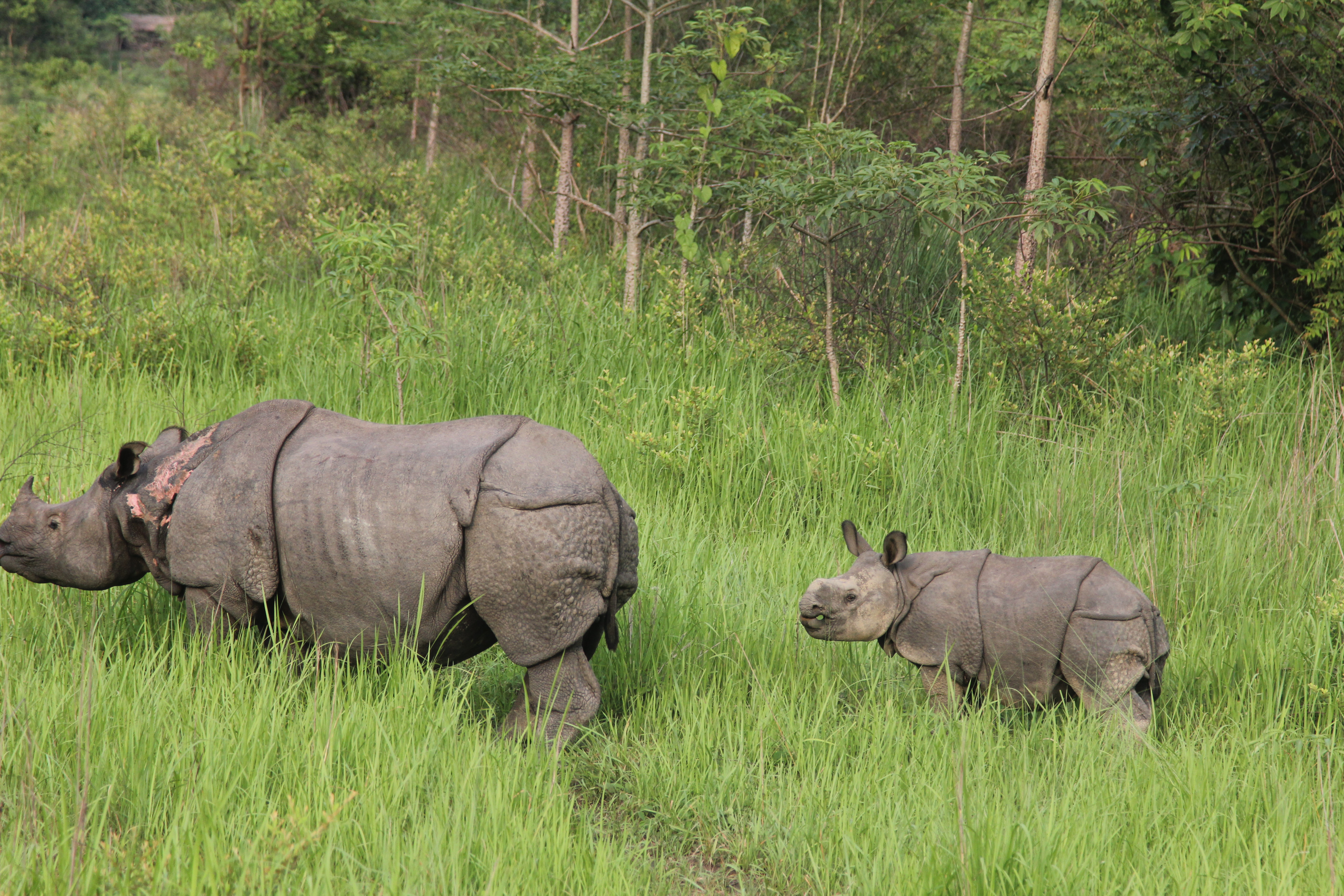
chitwan national prak
Chitwan National Park welcomes you into Nepal’s green heartbeat, where sal forest, tall grasslands, misty rivers, and shifting light move with a quieter, older rhythm. As birdsong rises, paddles glide through still water, and the scent of damp earth and wild leaves fills the morning air, your senses begin to sharpen and soften at once. Here, in the presence of rhino, river, forest, and sky, something opens within you: wonder, humility, and a deeper reverence for the living world.
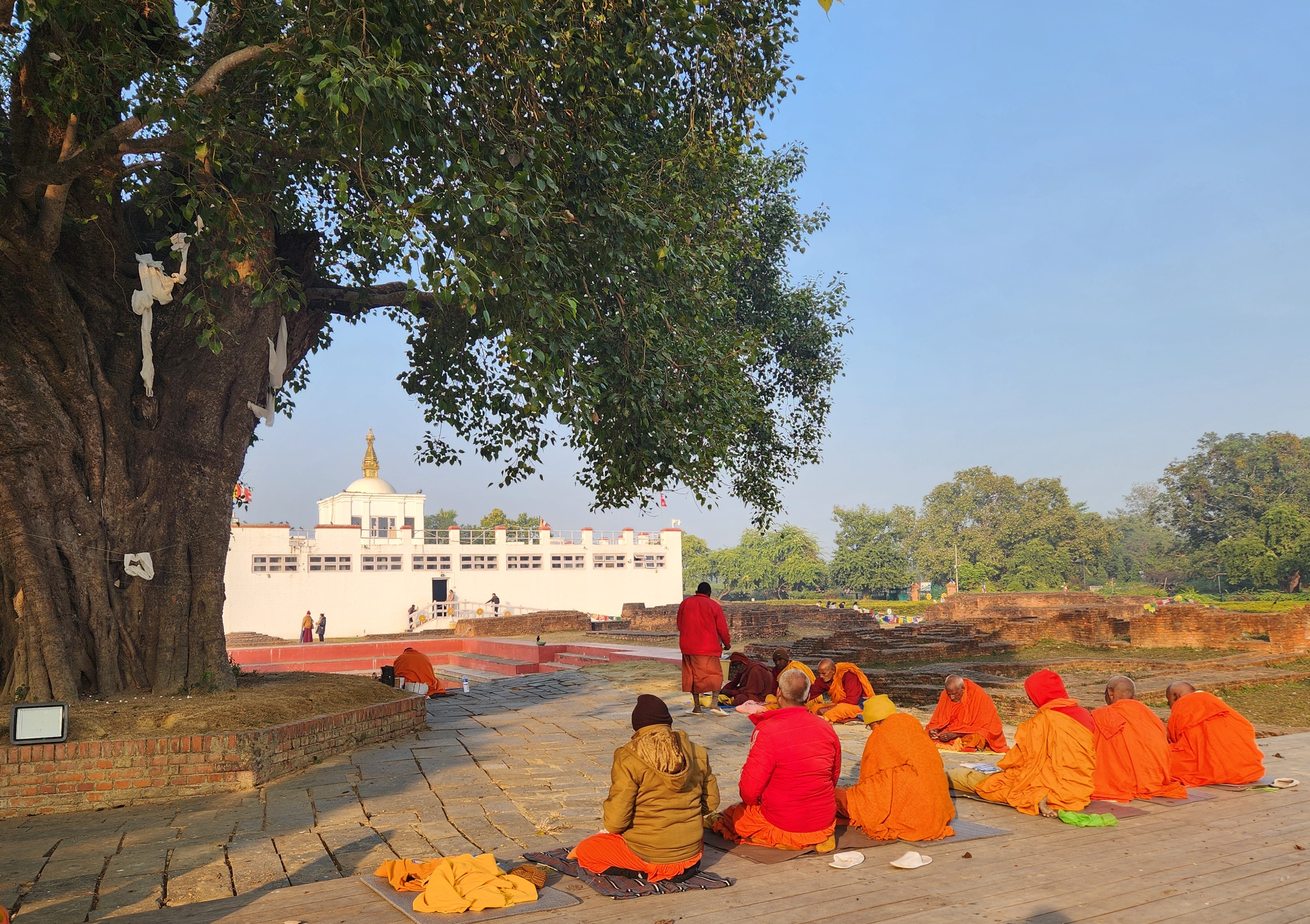
lumbini
Lumbini welcomes you into a landscape of quiet grace, where sacred gardens, ancient ruins, peepal trees, and the warm light of the Terai hold the stillness of the Buddha’s birthplace. As leaves tremble softly, footsteps slow along peaceful paths, and the atmosphere settles into silence and reverence, the whole place invites a gentler pace of being. Here, in this sacred ground of reflection and awakening, something opens within you: calm, compassion, and a deeper remembrance that peace begins within.
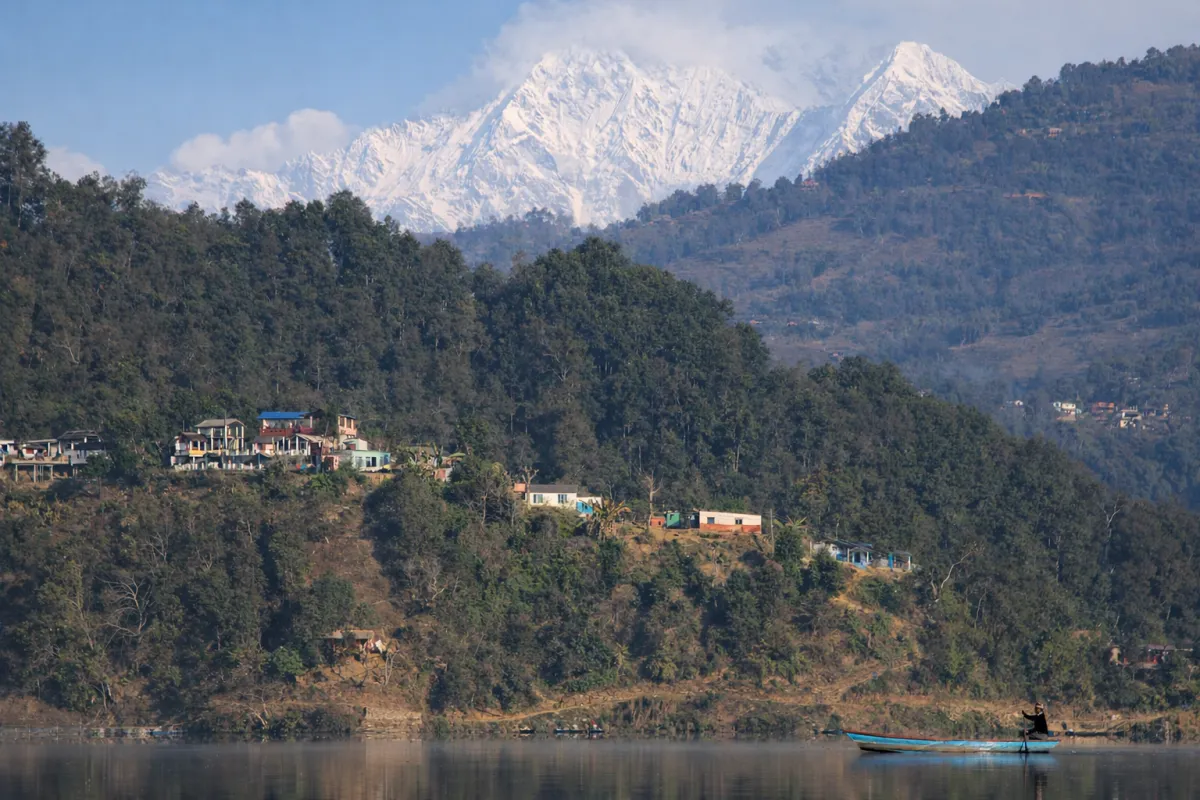
pokhara
Pokhara Valley welcomes you with shimmering lake water, cooler mountain air, and snow-bright Himalayan peaks that seem to open the whole horizon. As prayer flags flutter, oars dip softly into Fewa Lake, pine-scented breezes move through the air, and morning light touches Annapurna and Machhapuchhre, your whole being begins to soften into stillness. Here, surrounded by water, sky, and mountain silence, something opens within you: spaciousness, calm, and a quiet return to yourself.
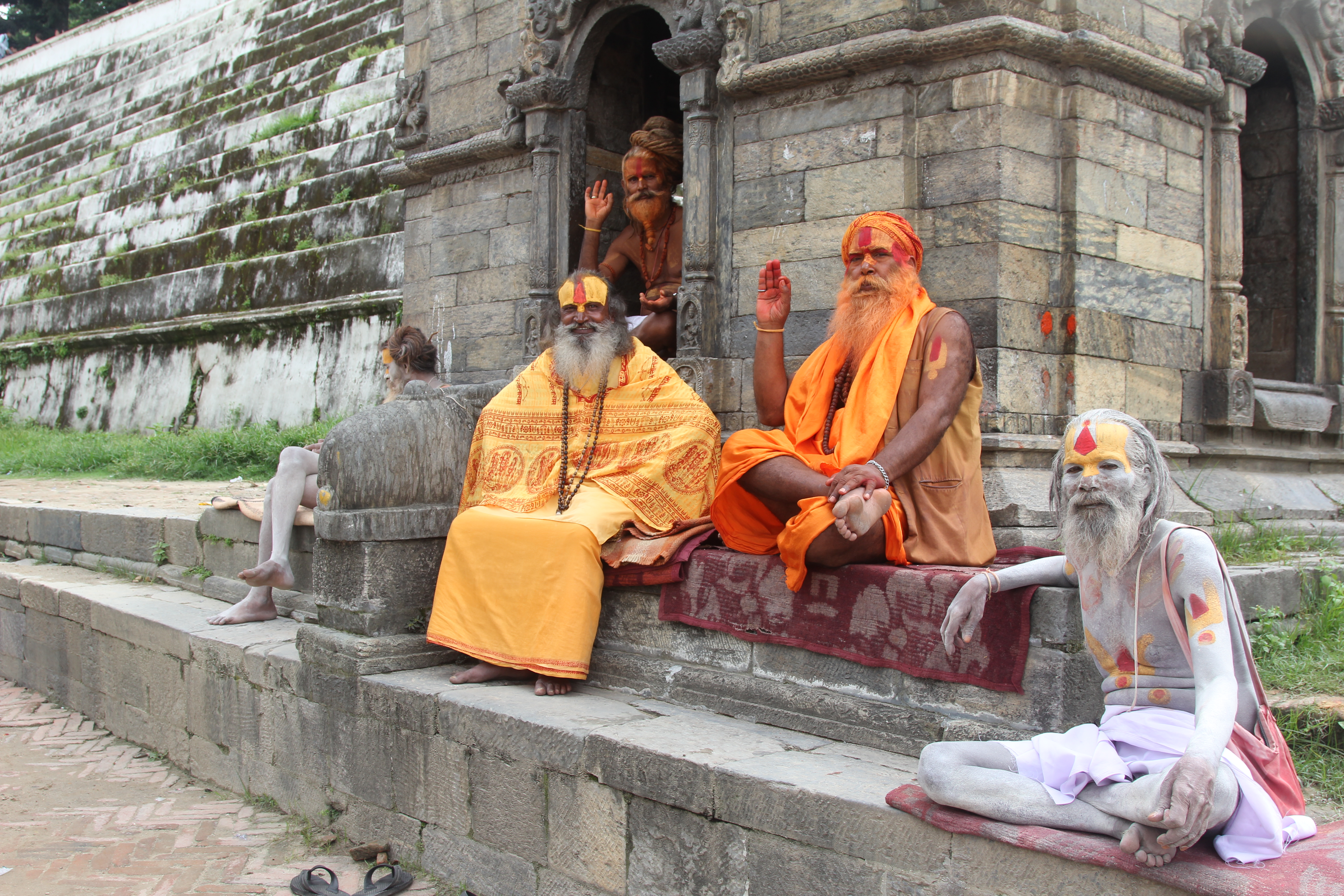
pashupatnath temple
Pashupatinath Temple draws you into one of Nepal’s most sacred landscapes, where gilded roofs, riverside shrines, marigold garlands, and the presence of pilgrims and sadhus create an atmosphere of deep devotion. As temple bells ring, incense rises, prayers drift on smoke and wind, and the Bagmati flows beside the sacred cremation ghats, your senses are met by a place that feels both intimate and immense. Here, in the presence of ritual, faith, and impermanence, something opens within you: reverence, compassion, and a deeper awareness of what is truly sacred.
Swoyambhunath Stupa
Rising above Kathmandu like a quiet beacon of faith, Swoyambhunath welcomes you with its luminous white dome, golden spire, fluttering prayer flags and sweeping views across the valley. As bells, mantras, incense and the turning of prayer wheels fill the air, the pace begins to soften and your senses gently awaken. Here, amid light, wind and sacred stillness, something within you begins to open: presence, spaciousness and a deeper return to yourself.
patan durbar square
Patan Durbar Square welcomes you into a living world of devotion and craft, where red brick glows in the sun, carved windows cast delicate shadows and temple spires rise above storied courtyards. As bells drift through the air, stone rests beneath your feet and the scent of nearby food and incense lingers in the lanes, your senses begin to slow and soften. Surrounded by beauty shaped by human hands and centuries of reverence, something opens within you: a deeper appreciation for presence, artistry and the quiet intimacy of living culture.
Bhaktapur Durbar Square
Bhaktapur Durbar Square draws you into a slower, more spacious rhythm, where sun-warmed brick, carved timber, temple silhouettes and open courtyards hold the beauty of a living heritage city. As bells sound softly, pottery turns in nearby lanes, and the sweetness of juju dhau and everyday life drifts through the air, your senses begin to settle into the timeless rhythm of the place. Amid artistry, devotion and human warmth, you feel a gentler pace, a deeper presence and a quiet remembrance that what is sacred is often found in how we pay attention.
Boudhanth stupa
Boudhanath Stupa rises luminous above the Kathmandu Valley, its white dome, prayer flags and all-seeing eyes creating an atmosphere of quiet reverence and grace. As you join the slow clockwise kora beside monks, pilgrims and softly turning prayer wheels, the air fills with incense, juniper smoke and the gentle rhythm of devotion. As movement slows and breath deepens, something opens within you: compassion, stillness, and a steady return to your inner center.
chitwan national park
Chitwan National Park welcomes you into Nepal’s green heartbeat, where saal forest, tall grasslands, misty rivers and shifting light move with a quieter, older rhythm. As birdsong rises, paddles glide through still water and the scent of damp earth and wild leaves fills the morning air, your senses begin to sharpen and soften at once. In the presence of rhino, river, forest and sky, you will feel wonder, humility and a deeper reverence for the living world.
lumbini
Lumbini welcomes you into a landscape of quiet grace, where sacred gardens, ancient ruins, peepal trees and the warm light of the Terai hold the stillness of the Buddha’s birthplace. As leaves tremble softly, footsteps slow along peaceful paths and the atmosphere settles into silence and reverence, the whole place invites a gentler pace of being. In this sacred ground of reflection and awakening, something opens within you: calm, compassion and a deeper remembrance that peace begins within.
pokhara
Pokhara Valley welcomes you with shimmering lake water, cooler mountain air and snow-bright Himalayan peaks that seem to open the whole horizon. As prayer flags flutter, oars dip softly into Fewa Lake, pine-scented breezes move through the air and morning light touches Annapurna and Machhapuchhre, your whole being begins to soften into stillness. surrounded by water, sky and mountain silence, you may feel spaciousness, calmness and a quiet return to yourself.
pashupatnath temple
Pashupatinath Temple draws you into one of Nepal’s most sacred landscapes, where gilded roofs, riverside shrines, marigold garlands and the presence of pilgrims and sadhus create an atmosphere of deep devotion. As temple bells ring, incense rises, prayers drift on smoke and wind and the Bagmati flows beside the sacred cremation ghats, your senses are met by a place that feels both intimate and immense.In the presence of ritual, faith and impermanence, you will be feeling compassionate, have reverence and a deeper awareness of what is truly sacred.
experiential highlights
indra jatra festival
Indra Jatra welcomes you into the vibrant heart of Kathmandu, where chariots roll through ancient streets, music and masked dances stir the air and sacred ritual brings the city alive with devotion. At the center of the celebration is the Living Goddess Kumari, whose procession through the old city fills the atmosphere with awe, blessing and shared emotion. In the midst of living tradition and collective celebration, the feeling of wonder, reverence and a deep connection to Kathmandu’s spiritual and cultural soul may be awakened
Pottery making workshop
In Bhaktapur, the ancient craft of pottery draws you into a slower, more grounded rhythm, where cool clay, turning wheels and the earthy scent of wet soil awaken the senses. As your hands shape and steady the clay, the mind begins to quiet and the moment asks only for presence. Here, through touch, patience and creation, something opens within you, playfulness, calm, and a deeper connection to the joy of making.
wisdom from a buddhist monk
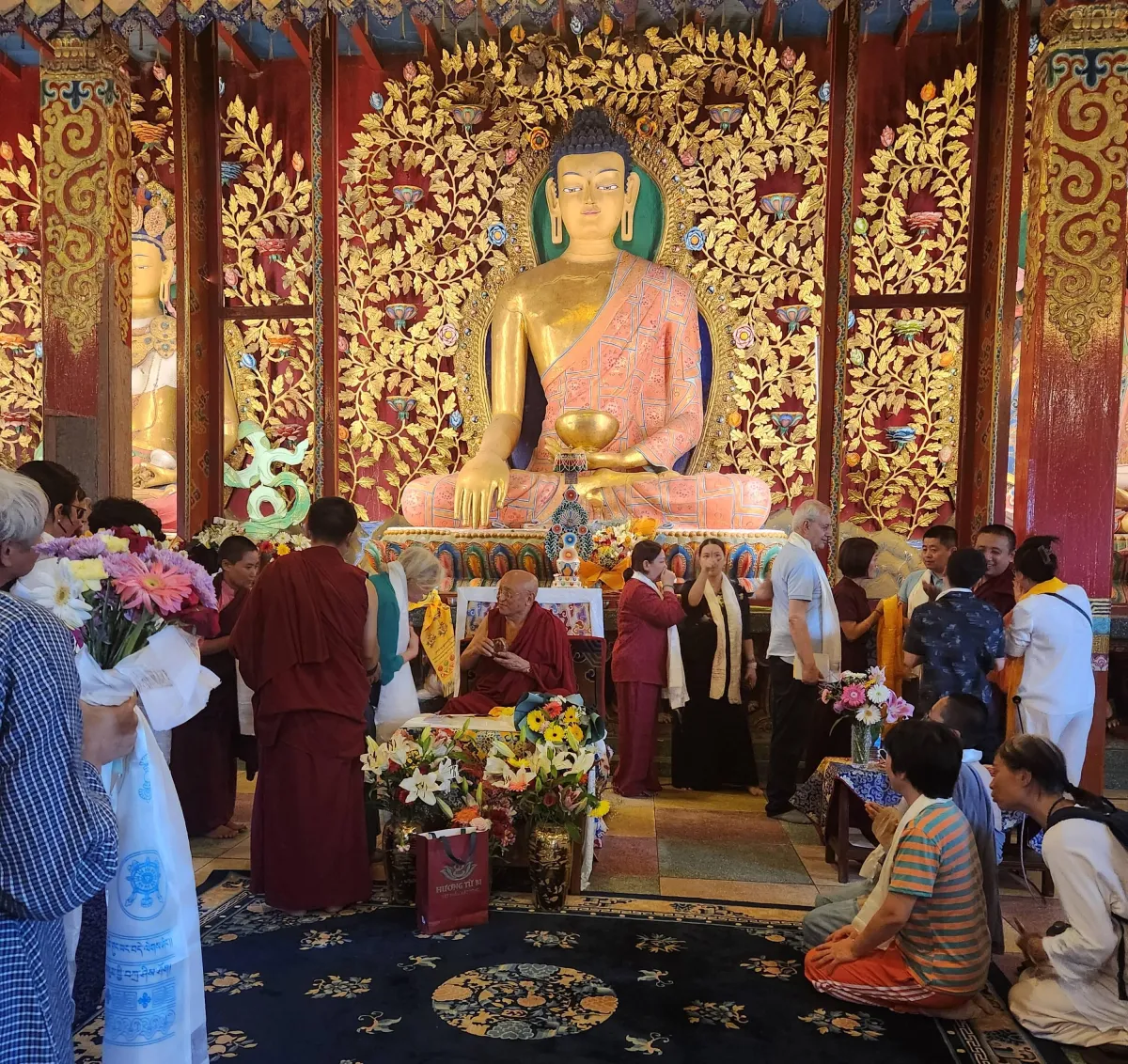
Receiving teachings and blessings from a monk becomes a sacred pause in the journey, an experience of quiet spiritual refinement and depth. Centered on compassion, gratitude, awareness and presence, this encounter invites you to slow down soften inwardly, listen deeply and receive wisdom in a way that feels both timeless and intimate. Held in an atmosphere of stillness, humility and grace, it becomes a gentle opening of the heart, leaving you feeling grounded, uplifted and more deeply attuned to the sacredness of life.
nepali cooking experience
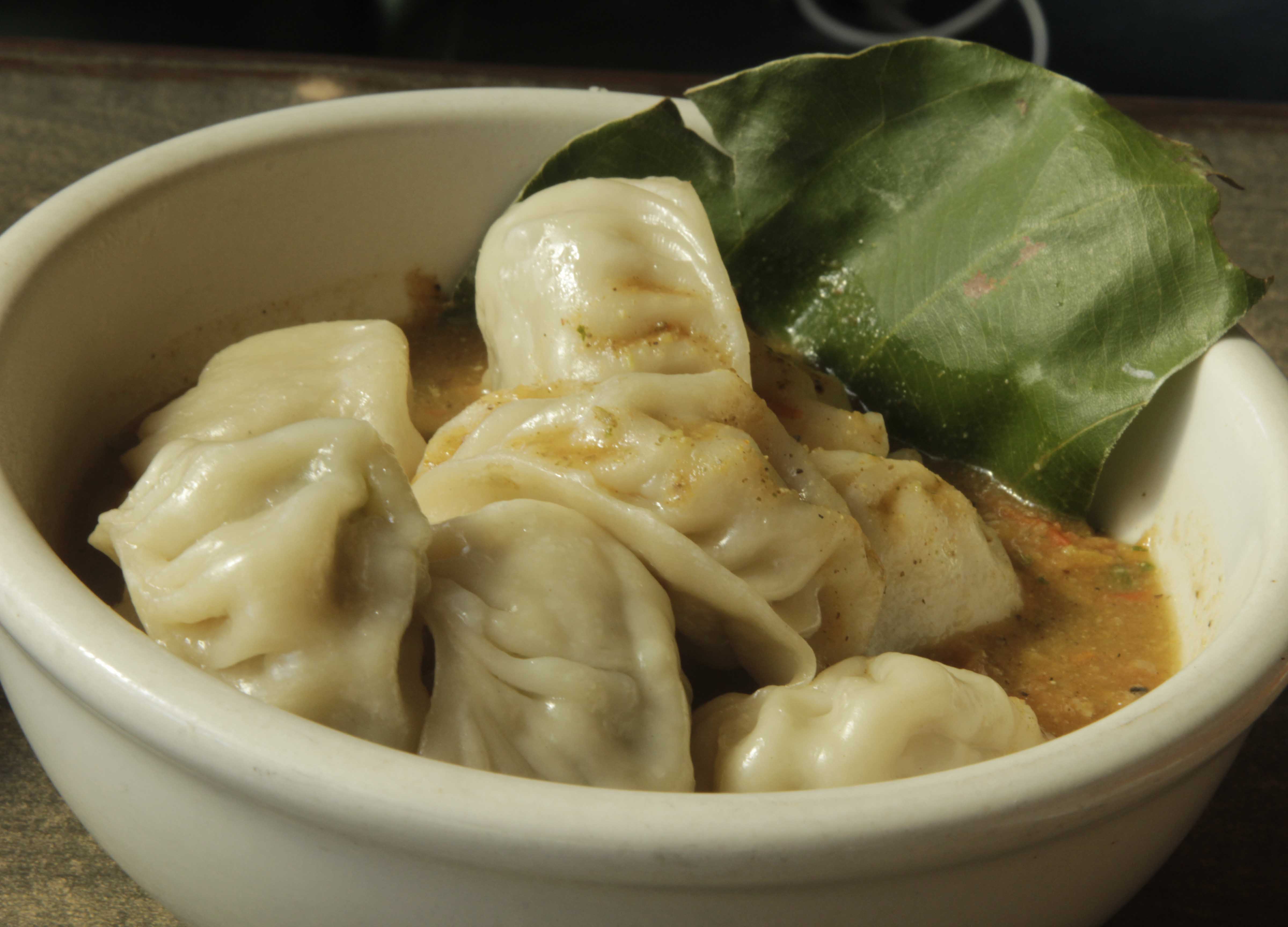
Step into the warmth of a Nepali kitchen and learn to make momos from start to finish, from kneading the dough and preparing the filling to shaping each dumpling by hand and tasting them fresh at the end. As spices release their aroma and the rhythm of cooking brings everyone together, the experience invites presence, playfulness and a deeper connection to Nepali culture through flavor, touch and shared enjoyment.
indra jatra festival
Indra Jatra welcomes you into the vibrant heart of Kathmandu, where chariots roll through ancient streets, music and masked dances stir the air and sacred ritual brings the city alive with devotion. At the center of the celebration is the Living Goddess Kumari, whose procession through the old city fills the atmosphere with awe, blessing and shared emotion. Here, in the midst of living tradition and collective celebration, something opens within you: wonder, reverence, and a deep connection to Kathmandu’s spiritual and cultural soul.
Pottery making workshop
In Bhaktapur, the ancient craft of pottery draws you into a slower, more grounded rhythm, where cool clay, turning wheels and the earthy scent of wet soil awaken the senses. As your hands shape and steady the clay, the mind begins to quiet and the moment asks only for presence. Here, through touch, patience and creation, something opens within you, playfulness, calm, and a deeper connection to the joy of making.
wisdom from a buddhist monk
Receiving teachings and blessings from a monk becomes a sacred pause in the journey, an experience of quiet spiritual refinement and depth. Centered on compassion, gratitude, awareness and presence, this encounter invites you to slow down soften inwardly, listen deeply and receive wisdom in a way that feels both timeless and intimate. Held in an atmosphere of stillness, humility and grace, it becomes a gentle opening of the heart, leaving you feeling grounded, uplifted and more deeply attuned to the sacredness of life.
nepali cooking experience
Step into the warmth of a Nepali kitchen and learn to make momos from start to finish, from kneading the dough and preparing the filling to shaping each dumpling by hand and tasting them fresh at the end. As spices release their aroma and the rhythm of cooking brings everyone together, the experience invites presence, playfulness, and a deeper connection to Nepali culture through flavor, touch, and shared enjoyment.grounded, uplifted, and more deeply attuned to the sacredness of life.
Itinerary at a Glance
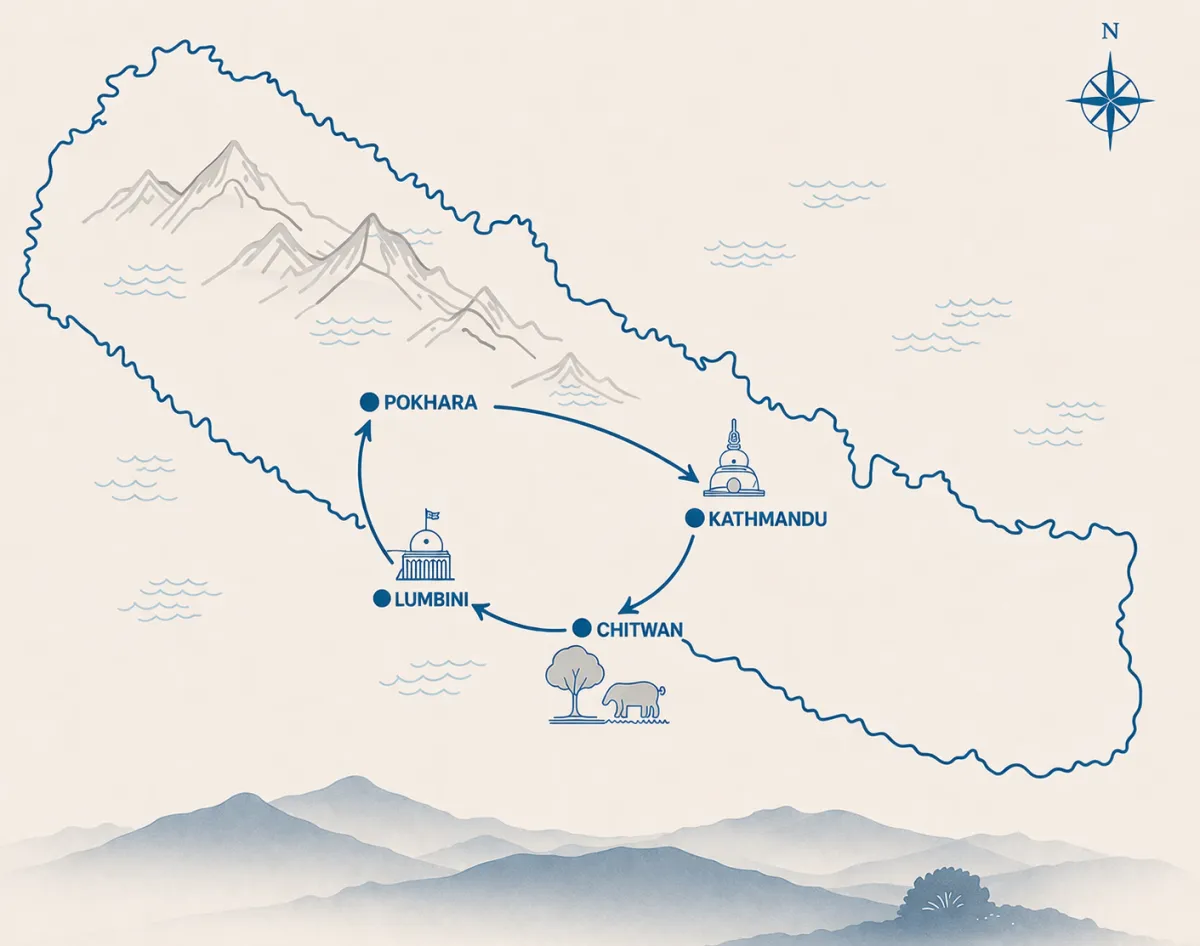
Kathmandu → Chitwan → Lumbini → Pokhara → Kathmandu
Day 1/SEP 22
Experience: Arrive in Kathmandu, transfer to hotel, welcome meeting and dinner
Overnight: Kathmandu
Meals: Dinner
Day 2/SEP 23
Sightseeing: Swoyambhunath Stupa and Patan Durbar Square
Overnight: Kathmandu
Meals: Breakfast, Lunch, Dinner
Day 3/SEP 24
Sightseeing: Bhaktapur Durbar Square. Experience Pottery Making workshop.
Overnight: Kathmandu
Meals: Breakfast, Lunch, Dinner
Day 4/SEP 25
Experience: Experience the vibrant Indra Jatra festival in Kathmandu Durbar Square
Overnight: Kathmandu
Meals: Breakfast, Lunch, Dinner
Day 5/SEP 26
Sightseeing: Morning at leisure. Afternoon, visit Bodhnath Stupa.
Overnight: Kathmandu
Meals: Breakfast, Dinner
Day 6/SEP 27
Journey: Drive from Kathmandu to Chitwan followed by jungle activities
Overnight: Chitwan
Meals: Breakfast, Lunch, Dinner
Day 7/SEP 28
Sightseeing: Jungle activities
Overnight: Chitwan
Meals: Breakfast, Lunch, Dinner
Day 8/SEP 29
Journey: Drive from Chitwan to Lumbini. Afternoon, sightseeing of Lumbini Garden
Overnight: Lumbini
Meals: Breakfast, Lunch, Dinner
Day 9/SEP 30
Experience: Visit selected monasteries followed by teaching and blessing from a Buddhist monk
Overnight: Lumbini
Meals: Breakfast, Lunch, Dinner
Day 10/Oct 1
Journey: Drive from Lumbini to Pokhara valley.
Overnight: Pokhara
Meals: Breakfast, Lunch, Dinner
Day 11/ Oct 2
Sightseeing: Morning, Pokhara Valley visit. Afternoon free
Overnight: Pokhara
Meals: Breakfast, Lunch, Dinner
Day 12/ Oct 3
Day at leisure
Overnight: Pokhara
Meals: Breakfast, Dinner
DAY 13/OCT 4
Journey: Fly from Pokhara to Kathmandu. Sightseeing of Pashupatinath temple. Transfer to hotel.
Overnight: Kathmandu
Meals: Breakfast, Lunch, Dinner
DAY 14/OCT 5
Experience: Mindful walk followed by Nepali cooking workshop.
Overnight: Kathmandu
Meals: Breakfast, Lunch, Dinner
DAY 15/OCT 6
Experience: Departure transfer
Meals: Breakfast
Beyond the places we visit, each day is gently woven with mindfulness practices, reflective journaling and sharing circles that help you slow down, absorb more deeply, and connect your outer journey with your inner one. Thoughtfully chosen experiential highlights bring Nepal to life in ways that are immersive, meaningful and deeply felt through the senses.
tour cost
Double Occupancy: USD 5867 per person
Single Occupancy: USD 7197
Tour inclusions

14 nights of heritage, luxury & best available accommodation

14 breakfast, 11 lunch, 14 dinner

Private arrival and departure transfer

Private airconditioned coach for sightseeing

English Speaking Tour Host

English Speaking Local Guide

Join In Group Tour

Airfare from Pokhara to Kathmandu

Admission fees to sites and National Park

Tips and gratuities for hotel staff, guide, drive and helper
Tour Excludes

Drinks, beverages, bottled water

Expenses of personal nature -laundry, sim etc

Visa fees to Nepal
International airfare to and from Kathmandu
WHO This JOURNEY IS FOR?
This journey is for those who long to travel in a more meaningful way, not simply to see beautiful places, but to experience them with presence, reverence and depth.
If you are drawn to sacred places, living culture, inner reflection and the quiet beauty of a gentler pace, you may feel deeply at home here. Created for those seeking renewal, inspiration and deeper connection, this journey invites both outer discovery and inner return.
You long to step away from busyness and reconnect with what truly matters.
You are drawn to sacred places, beauty, and meaningful cultural experiences.
You want to experience Nepal with presence rather than rush.
You care about travelling in a way that feels mindful and aligned with your values.
You feel nourished by nature, reflection, and gentle moments of pause.
You would love to travel with like-minded people who value depth and connection
meet your host
This journey is held by Pratishtha who knows Nepal not only through work, but through belonging. Her intention is to guide you into a way of travelling that is slower, more conscious, more reverent and more deeply connected to both the land and the life within you.
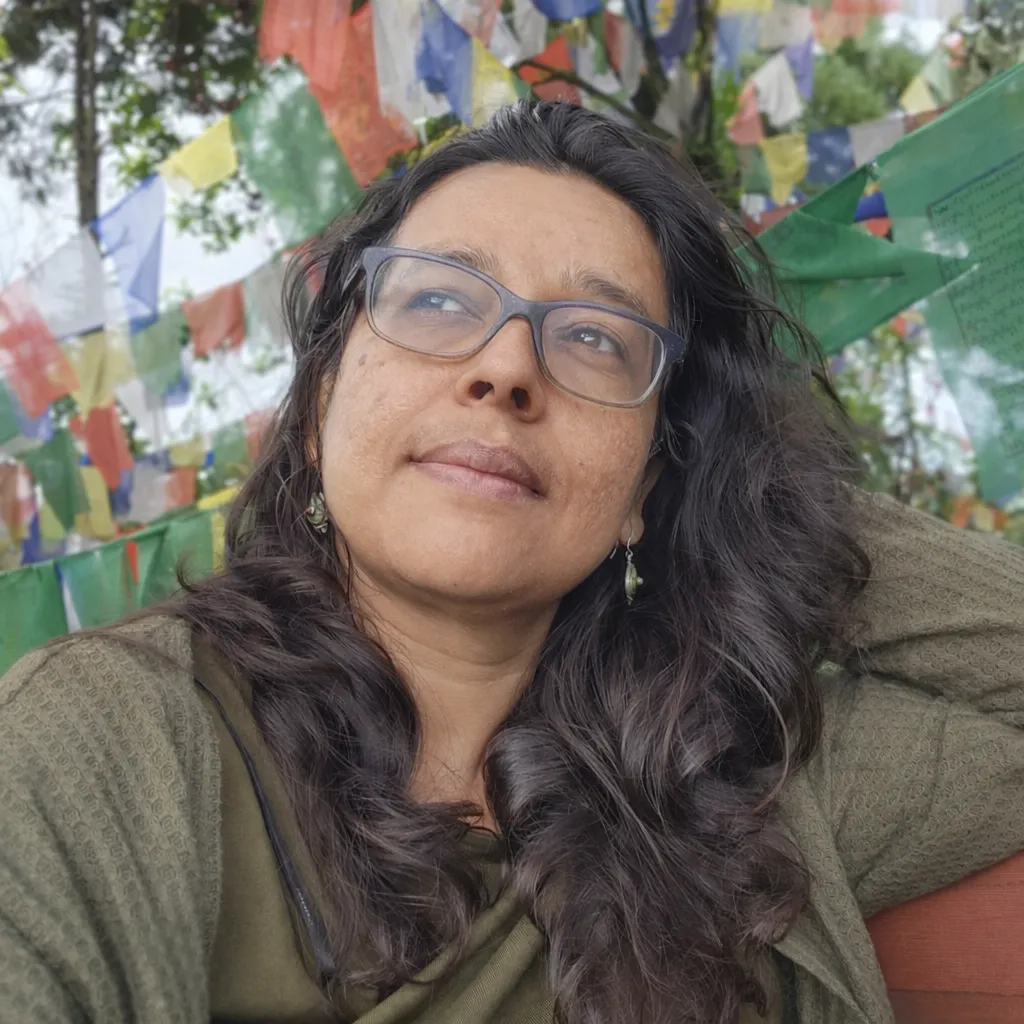
Born and raised in Nepal, Pratishtha Parajuli brings together more than 25 years in tourism with extensive training in sustainable travel, Mindfulness meditation, Yoga, Buddhist studies, Reiki and trauma-sensitive practice. She has designed journeys across Nepal and the wider region with a deep commitment to cultural respect, thoughtful pacing and meaningful experience. She has been entrusted to manage journeys for high-ranking officials, aristocrats, foreign royalty and VIP groups with calm precision, discretion and care.
Mindfulness Yatra was born from her desire to share Nepal not only as a destination, but as a living classroom for presence, compassion and conscious travel. This journey reflects both her professional depth and spiritual path, offering a way of travelling that is gentle, grounded and deeply intentional.
• 25+ years in Tourism
• Nepal-born host
• Trusted with high-profile and VIP journeys
• Sustainable tourism and Climate Friendly Travel background
• Mindfulness and Trauma Sensitive Training
what others have experienced?
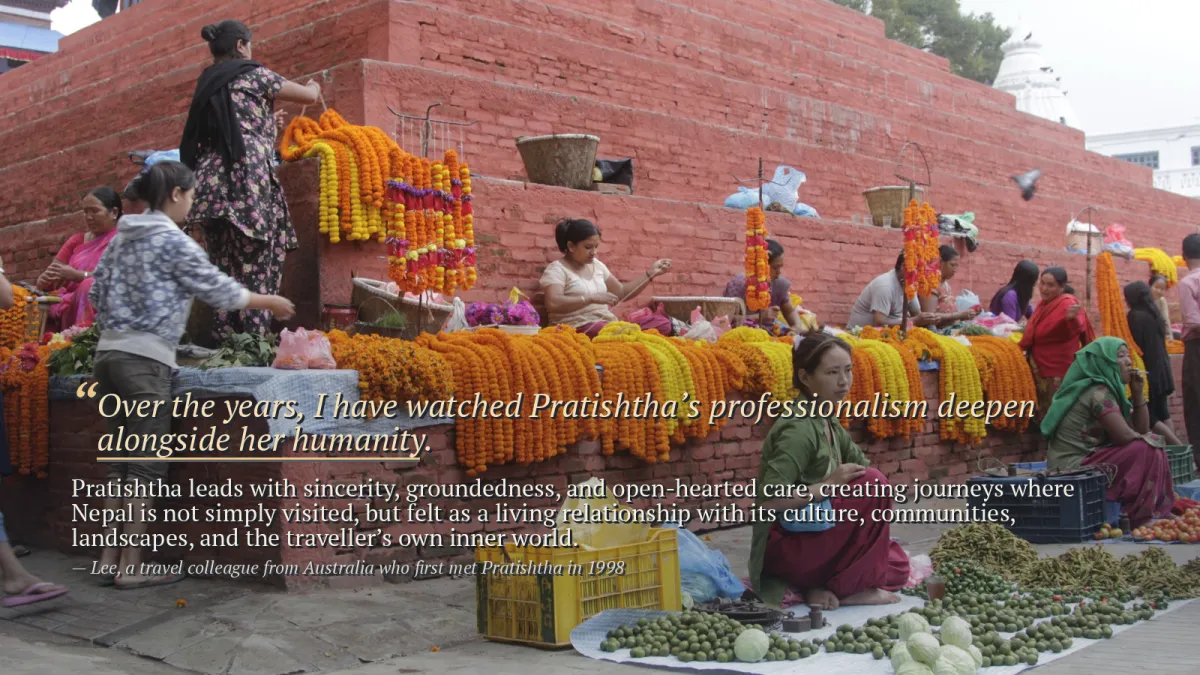
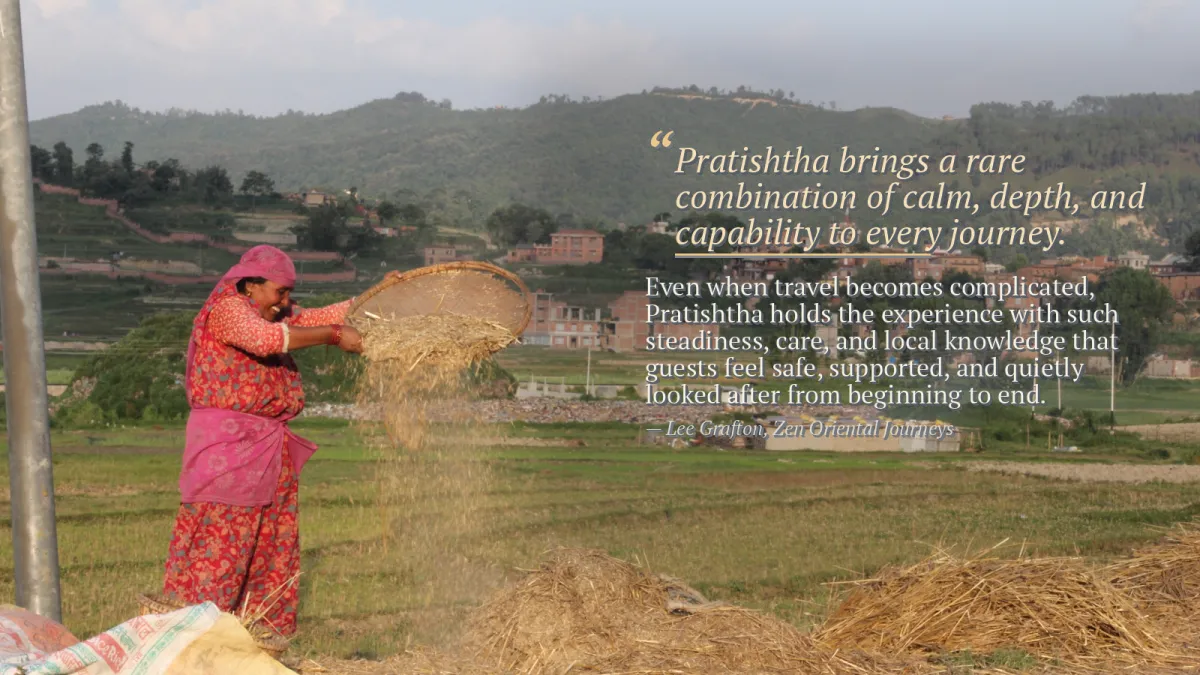
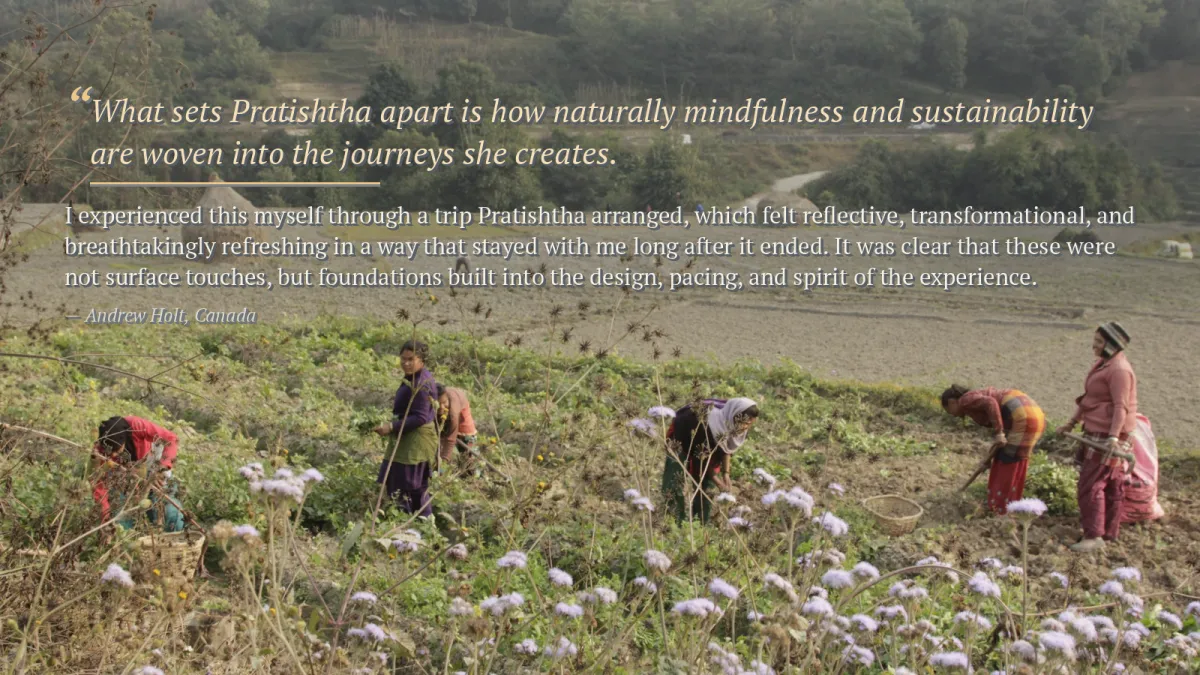
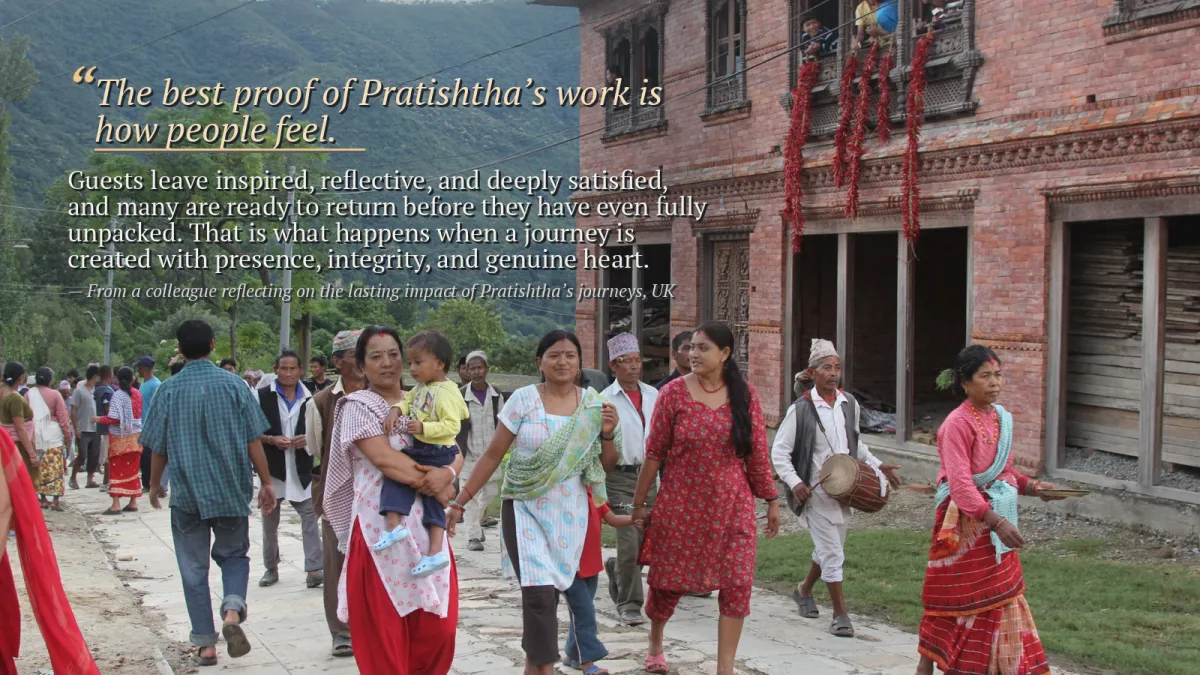
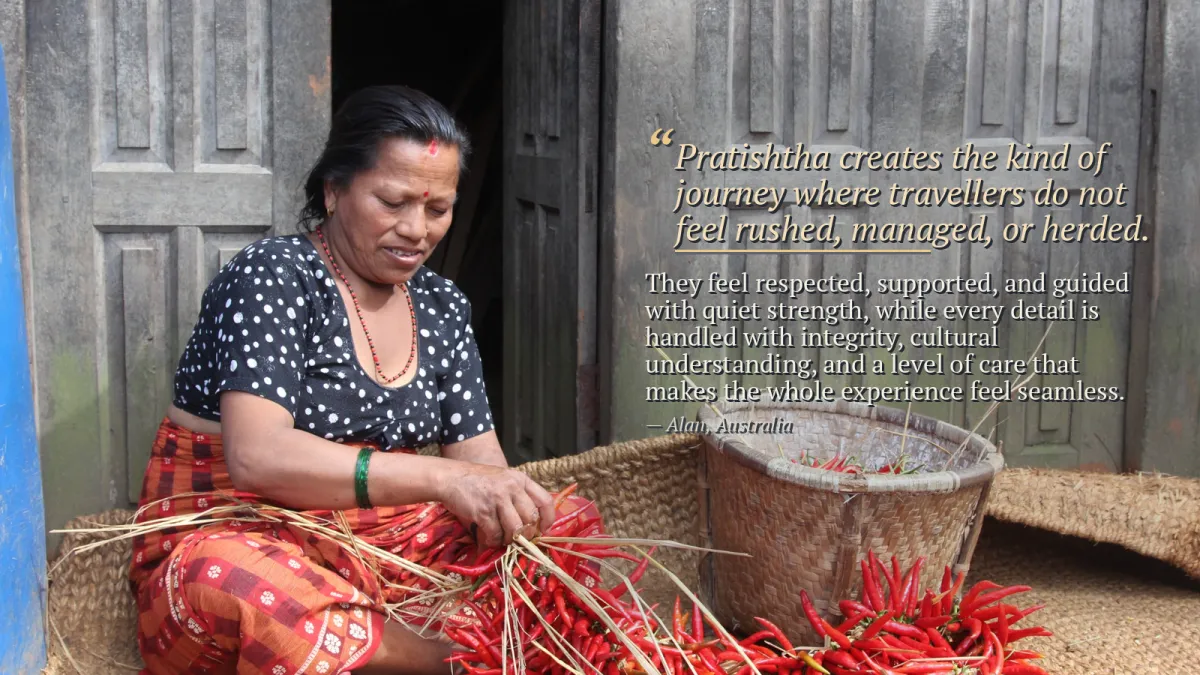
A few words from those who have experienced Pratishtha’s presence, care, and guidance.
what others have experienced?
A few words from those who have experienced Pratishtha’s presence, care, and guidance.
frequently asked questions
How long should my passport be valid to travel to Nepal?
Your passport should be valid for at least six months from the date you first enter the country. If it is not, please renew your passport in advance.
Do I need a visa to visit Nepal?
Yes, other than nationals from a few SAARC countries, you need to obtain a Nepal visa to enter Nepal. We recommend doing this in your home country prior to arrival in Nepal.
However, there is also the option to obtain a tourist visa at Tribhuvan International Airport in Kathmandu. If you choose this option, you will need to fill in the online visa form at the kiosk right after you enter the building, print it, then go to the bank counter, pay the visa fees, and then queue in the immigration line, where you will be granted the tourist visa. It is highly recommended to carry USD cash in exact denominations, as credit cards often do not work and the range of currencies accepted at the airport is limited.
Alternatively, you can fill the online application beforehand, print the receipt, and bring it to the immigration counter.
Please note the visa fee is USD 30 for a 15-day Tourist Visa and USD 50 for a 30-day Tourist Visa.
Here is the Department of Immigration website for more detail:
What is the currency that I need to carry with me?
Nepal uses the Nepali Rupee, indicated as NPR. The rupee can be used for purchases at small local shops and for taxis. However, all hotels accept USD, and many also accept international credit cards. Please note that there is usually an additional 3–4% charge when paying by card.
Where can I exchange the USD to Nepali Rupees?
You can exchange currency at Kathmandu airport, at your hotel, or at local currency exchange centers in several places we will visit. Please be mindful not to exchange too much, as it can be difficult to convert NPR back to USD if you do not use it all.
We can also arrange currency exchange for you after you arrrive in the country.
How can I take a sim card for Nepal?
You can purchase a SIM card for Nepal as you exit the airport. Look for NCELL (recommended provider) and request either a physical SIM or an eSIM. An eSIM is highly recommended as long as your phone supports eSIM. This means you do not have to remove your home country SIM from your phone while still using the Nepal eSIM. The cost of the SIM card varies depending on how much data you choose, but it should be much cheaper than using your home country SIM on a roaming basis. Please carry a copy of your passport and one photo (which they may or may not ask for).
How can I book a taxi?
Taxis are usually parked along the side of the streets. You simply need to agree on the price with the driver for the destination you want to go to. Alternatively, you can ask your hotel to arrange a taxi, or request help from your guide.
There are also ride hailing apps called Pathao and inDrive that you can easily download and use.
Do Nepali people understand English for me to communicate my needs?
Most Nepali people at the airport and in the places you visit will understand English, although they may not be able to respond fluently. Local guides will be available to help if needed.
Are there opportunities to interact with locals in this tour?
Yes, we design our itineraries to include experiential and signature experiences where you can interact with locals, learn about traditional arts and crafts, and participate in cultural exchanges that provide a deeper understanding of the places and people you visit.
I am not a Hindu. Can I visit temples and monasteries?
Most temples allow only Hindus to enter the main shrine area. However, you are welcome to explore the areas outside the shrine within the temple complex, and many activities take place in the surrounding vicinity. You will be briefed during the tour.
Visits to Buddhist monasteries are possible for everyone.
Can Mindfulness Yatra accommodate my dietary requirement?
Yes, please share any allergies or dietary needs at the time of booking so we can pass them on to our suppliers. We will do our best, but since we need to rely on our suppliers, we cannot guarantee that all requests will be accommodated. For this reason, please also inform the tour host and your guide upon arrival, and make sure you check on the spot before consuming any meal.
Please carry an EpiPen with you, as it is not available in Nepal.
How do I prepare for my trip?
Nepal is a country of mountains and valleys. The program includes hikes and walks on varied terrain, often on uneven ground. You will also be climbing stairs and navigating some steep inclines, so a good level of health and fitness is required.
Do you have any recommendation for dress code?
We recommend casual wear that you feel comfortable in, preferably with your shoulders covered. Sleeveless tops and shorts are fine, but please avoid anything too short. You may also want to pack 2–3 formal outfits for evening dinners.
Since the program includes gentle movement, it is advisable to bring exercise pants and a T-shirt or tops. The monsoon is usually until mid September. Also, due to climate change, it is difficult to predict whether weather patterns will be the same. Hence advisable you carry a rainwear and an umbrella. From third week of September and through October weather is generally pleasant, though mornings and evenings can feel a little cooler, so please pack a thermal, sweater or light jacket to keep you warm.
What is the luggage allowance on the flight?
There is one domestic (local) flight included in the itinerary. Since this is a 72-seater aircraft with limited luggage space, the allowance is one checked bag up to 20 kg and one hand-carry bag up to 7 kg.
What do I pack for the trip?
Please bring comfortable walking shoes, clothing suitable for a variety of temperatures, sun protection, any medication you need, and any other personal items. The hikes in the itinerary are moderate in intensity, so comfortable sports shoes with a good grip should work well.
What is the payment and cancellation policy of the trip?
Once you are ready to explore further, this will be shared with you via email
Is tipping included? Or I need to tip?
Minimum tipping and gratuities are included However, if you are delighted with any service, it is recommended that you show your gratitude by tipping individuals-guides, drivers, helpers, hotel/restaurant staffs directly.
Recommended pages to read before travel.
Please read the General Terms and Conditions, Privacy Policy and Disclaimer before travel
Is this a join in group tour
Yes, this is a join-in group tour, so you will be travelling with people from all over the world. The tour will be conducted in English.
FOLLOW US


COMPANY
Business No. 1001475836
Contact
Legal
Copyright 2026. Mindfulness Yatra. All Rights Reserved.